Astral Projections Online February 2026
Check our Website for updated content at www.astra-nj.com
Club Presentations Wanted:
Does anyone have any astronomy items of interest to share with the membership?
Please let us know at Club Contacts. For 2026, we still have some open slots.
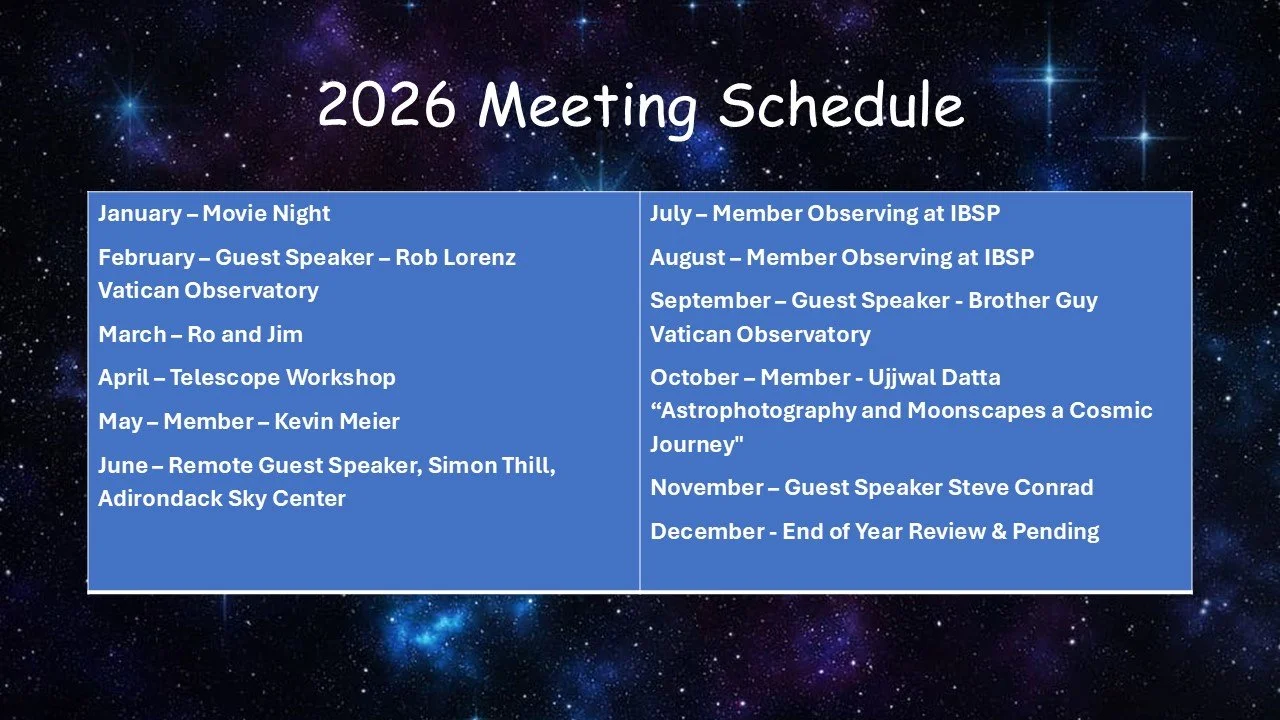
Note: Anyone who has something to present for 2026 will be after the posted presenter, time permitting.
We will start looking at filling 2027 spots during the summer.
Club dues and membership.
If you renew after March 31, you will be renewed as a new member.
Forms can be found on the website or here.
ASTRAL PROJECTIONS ONLINE (APO for short) is an email-linked publication for members only. If you exit APO to the club website or other resources you will need to use the emailed link again to get back to it. If you wish to retain a copy please bookmark or refer back to the email. We will make all efforts to post by the first week of the month.
Submissions Welcome: Members are invited to submit articles, photos, news, or stories for inclusion with Astral Projections Online. Please contact the ASTRA Webmaster.
Event Calendar
Event Cancellations: Members will receive email notifications of event cancellations.
Upcoming February ASTRA Meeting
Friday, February 13, 2026, at 7:00 PM EST at Novins Planetarium
Upcoming Public Star Parties
February 21, 2026 - Jake’s Branch - 6:30 PM
March 21, 2026 - Jake’s BRanch - 8 PM
Upcoming Public, County & State Park Presentations 2026
Public Outreach Presentations: If any member wishes to support ASTRA outreach efforts with the public, please let Vinny, Ro, or Jim know of any interest. Additional help for these events is always appreciated.
County and State Park presentations require a registration fee; call the hosting park to reserve.
Cattus Island - March 3 at 6 PM - The Moon: Our Nearest Neighbor
Private Event for 4H Club
Cloverdale Farms, February 19 at 6 PM - Constellations

Website Updates …
Please visit our club website. We continue to have additional updates, if some content would be useful to members please let us know.
“Remember to look up at the stars and not down at your feet. Try to make sense of what you see and wonder about what makes the universe exist. Be curious. And however difficult life may seem, there is always something you can do and succeed at. It matters that you don't just give up.”
Stephen Hawking -Astrophysicist and Cosmologist

ASTRA Meeting - February 13 at 7 PM
For our February meeting at the planetarium, we will meet in the meeting room at 7 PM. We will have a guest speaker from the Vatican Observatory.
Please support Novins Planetarium, patronizing their shows, who has supported us since the beginning of ASTRA.
Event Reports
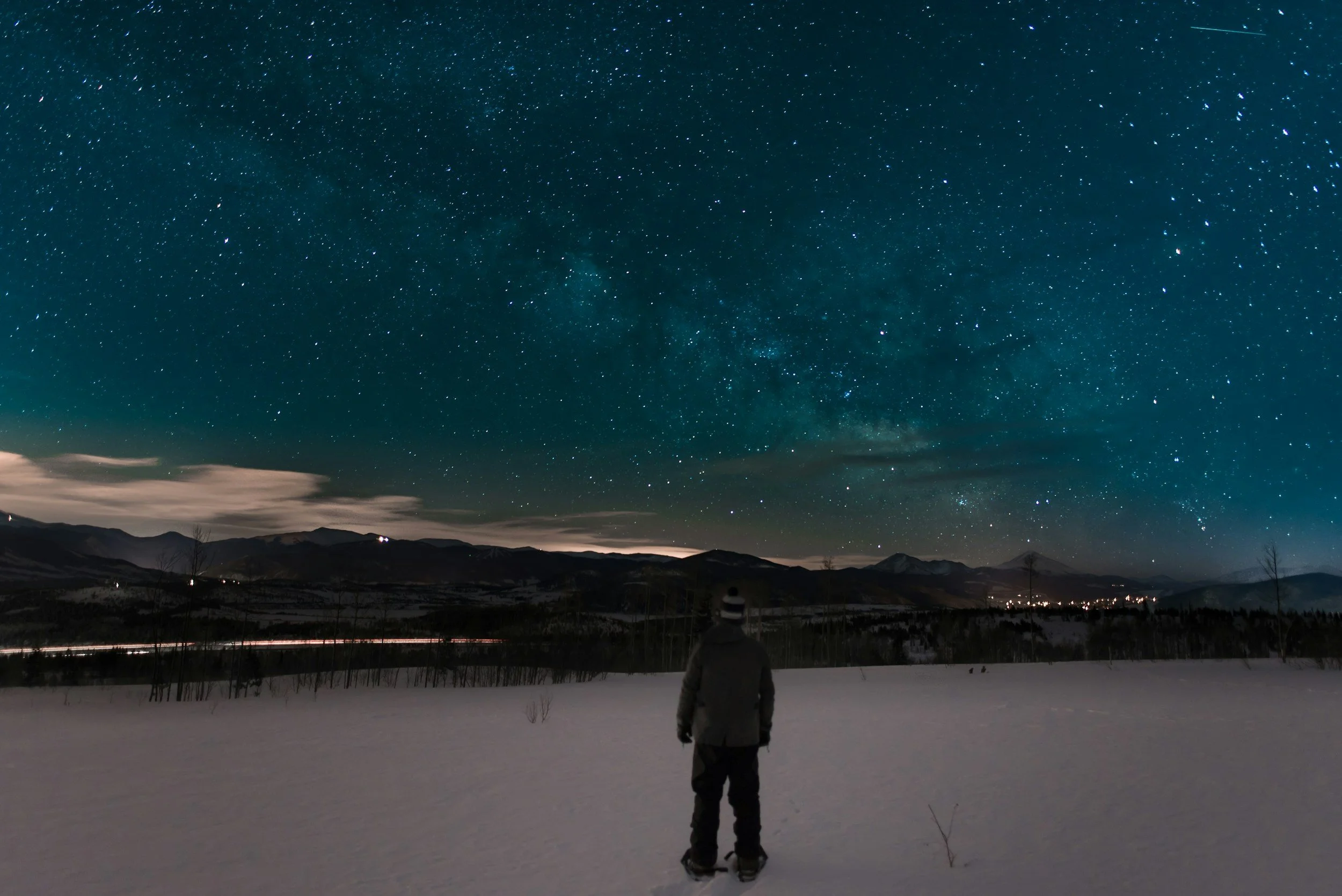
No star parties were scheduled for January.
Nathan Anderson - Stock image on SquareSpace
https://unsplash.com/@nathananderson
January ASTRA Meeting Summary
For our January meeting, it was movie night. Shown was “An Epic Journey to Our Closest Stars.” The video was sourced from YouTube by Actual Space. Actual Space is a dedicated team of space enthusiasts who create space documentaries.
Embark on a breathtaking voyage beyond our solar system in this 2025 space documentary that explores the stars nearest to Earth. From the blazing brilliance of Alpha Centauri to the mysterious glow of Proxima Centauri, we dive deep into the science, wonder, and possibilities of interstellar travel.
For those members who missed it, go to YouTube.
NOTE: Due to a cell phone issue, meeting images are not available.
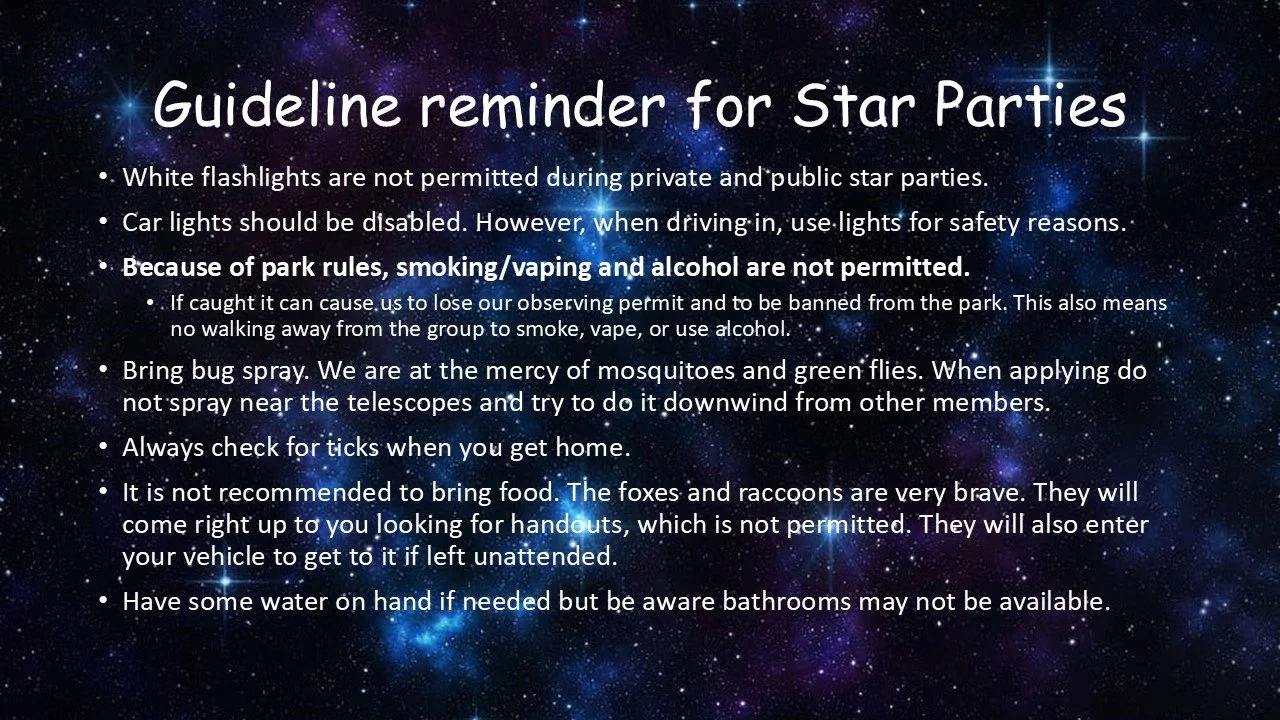
Shared at the January meeting was a reminder of the Star Party Guideline.
Shared at the January Meeting, Jim Webster presented some club-related images generated as Norman Rockwell images. The image of member Vic Palmieri is one of my favorites. Sadly, he couldn’t make it to our January meeting. I was looking forward to sharing it with him.
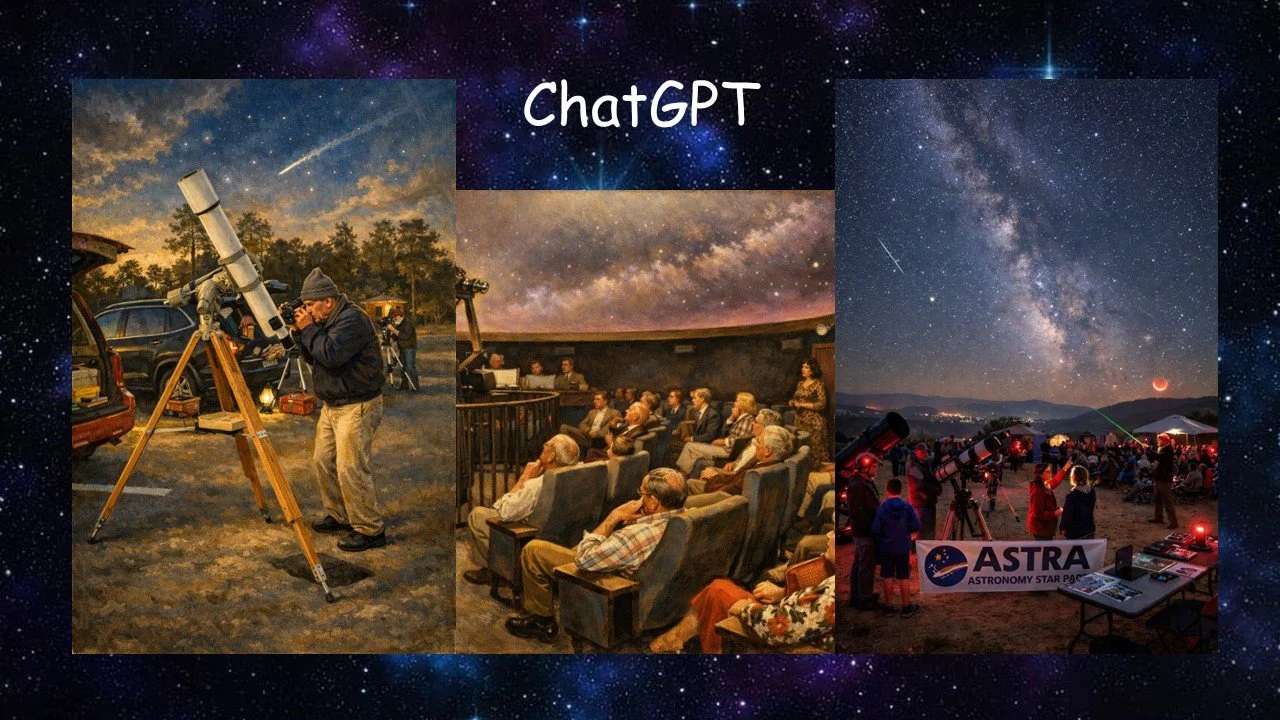
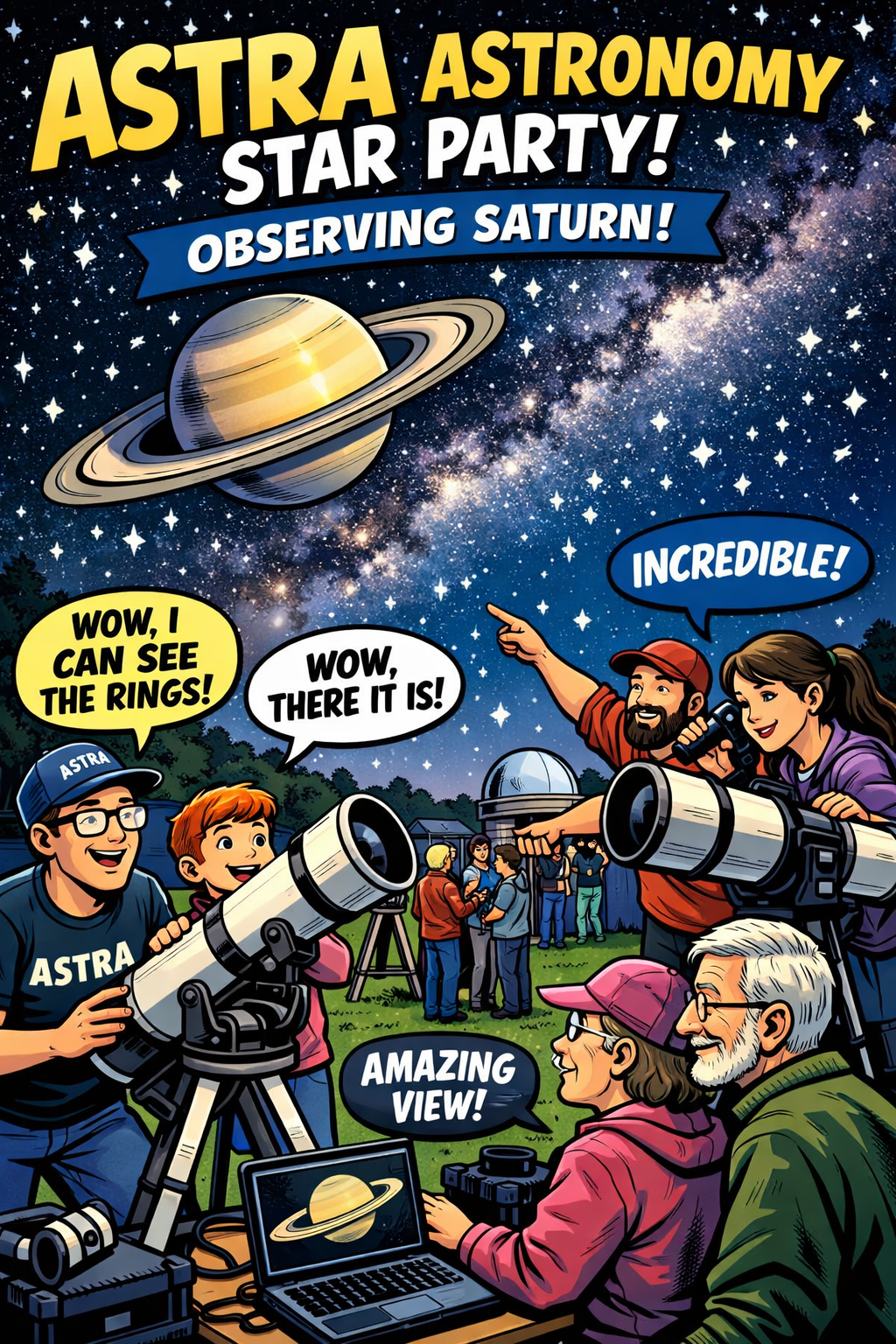
ChatGPT is an advanced AI chatbot developed by OpenAI that can understand and generate human-like text, code, and images based on user prompts. It utilizes a "Generative Pre-trained Transformer" (GPT) model to simulate conversation, assist with research, summarize information, and create content. It is a versatile tool used for tasks ranging from drafting emails to answering complex questions.
ChatGPT
is not perfect, so a close review of the created content is required. I have found that telescopes and constellations AI-generated samples need further work. With
time, I can see that ChatGPT can be a useful outreach resource for events and education. If anyone has some ideas on what to try, let me know.
Some of us already know, I am a bit addicted to ChatGPT and have many more images. Some are related to DarkSky New Jersey and Scistarter outreach. Scistarter is collecting what I have created for the ambassadors program.
Public Events and Presentations
None for January
Members Submitted Articles & Items
Whatever it is, how you tell your story online can make all the difference.
Contact: Jim Webster, ASTRA President and Webmaster, regarding submissions.
None for February

AstroMag January 2026
A free online publication for Amateur Astrophotographers.
The Moon: Our Nearest Neighbor
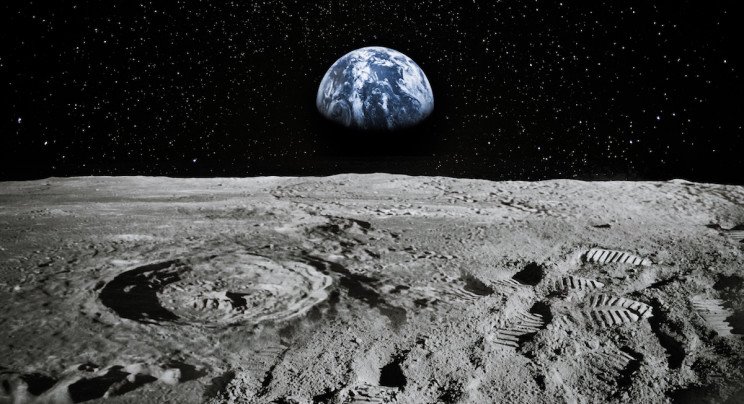
Let’s explore some interesting features, facts, or myths about our nearest neighbor, the Moon. Without it, life on Earth would be totally different, if not at all.
A new Moon?
Note: This article is partially AI-generated.
Astronomers have identified a new "quasi-moon" of Earth, a roughly 60-foot-diameter asteroid designated 2025 PN7, which will shadow our planet until around 2083. Discovered in August 2025, this space rock orbits the Sun in near-lockstep with Earth, appearing to orbit us from our perspective.
2024 PT5: A different asteroid was a temporary "mini-moon" that lasted for two months in late 2024.
A quasi-moon is an asteroid that orbits the Sun in a 1:1 resonance with Earth, appearing to circle our planet from our perspective, though it is not gravitationally bound to Earth. These temporary companions, such as the recently discovered 2025 PN7, follow Earth for years or decades in "lockstep" before drifting away.
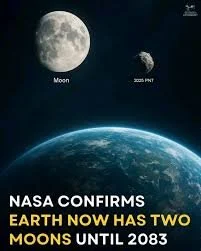
Key details regarding the 2025 PN7 quasi-moon include:
Discovery & Nature: The asteroid was detected by the Pan-STARRS observatory on August 29, 2025. While often called a "second moon," it is technically a quasi-satellite, meaning it is not gravitationally bound to Earth, but shares a similar orbital path around the Sun.
Duration: The asteroid has been in an orbital relationship with Earth for about 60 years and is expected to remain for another 60 years.
Origin: It is believed to originate from the Arjuna asteroid belt, a group of near-Earth objects.
Size: It is roughly 62 feet (
1919
19
meters) in diameter.
Visibility: Due to its high magnitude of 26, it is not visible to the naked eye or through standard backyard telescopes.
Unlike temporary "mini-moons" that get captured by Earth's gravity for short periods, 2025 PN7 is a long-term companion. This object poses no threat of impact to Earth. For more, visit NASA Space News on YouTube.
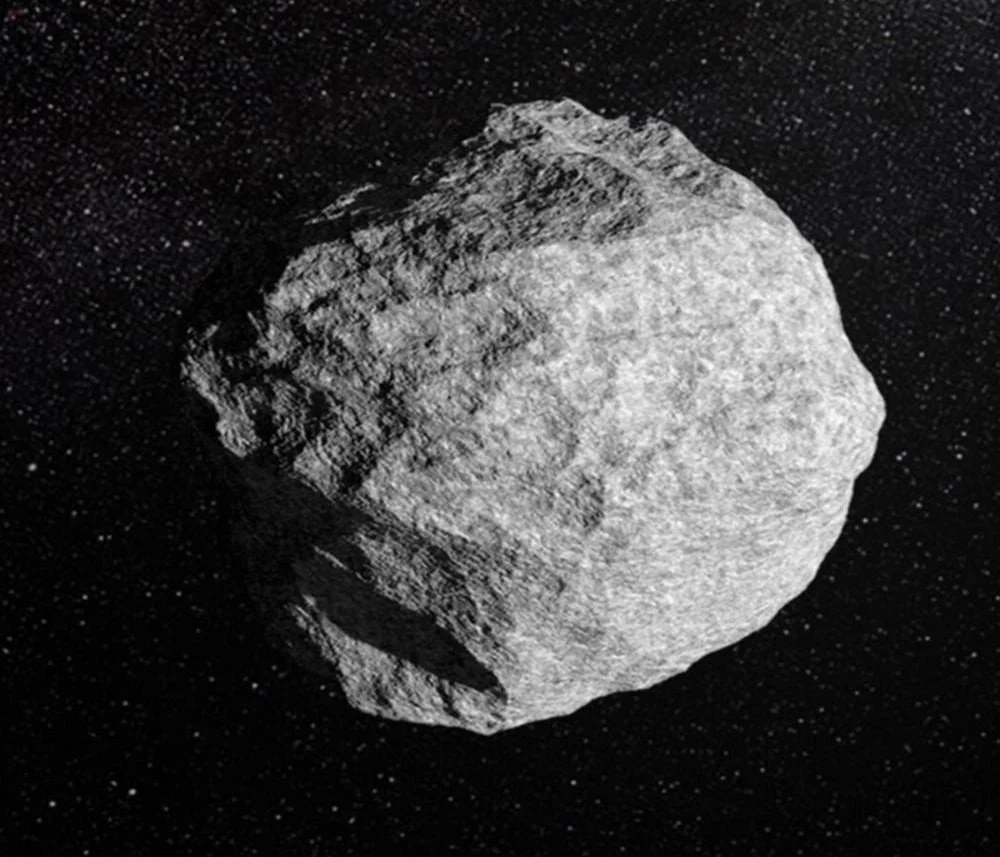
The Arjuna Astroid Belt or asteroid group.
The Arjuna asteroids are not located in the main asteroid belt between Mars and Jupiter. Instead, the Arjunas are a group of near-Earth asteroids that populate a "secondary asteroid belt" in the region where the Earth-Moon system orbits the Sun. They have orbits very similar to Earth's, with low eccentricity and inclination.

Outreach material below is distributed free for public outreach.
Astronomy for ASTRA Kids
NASA Science
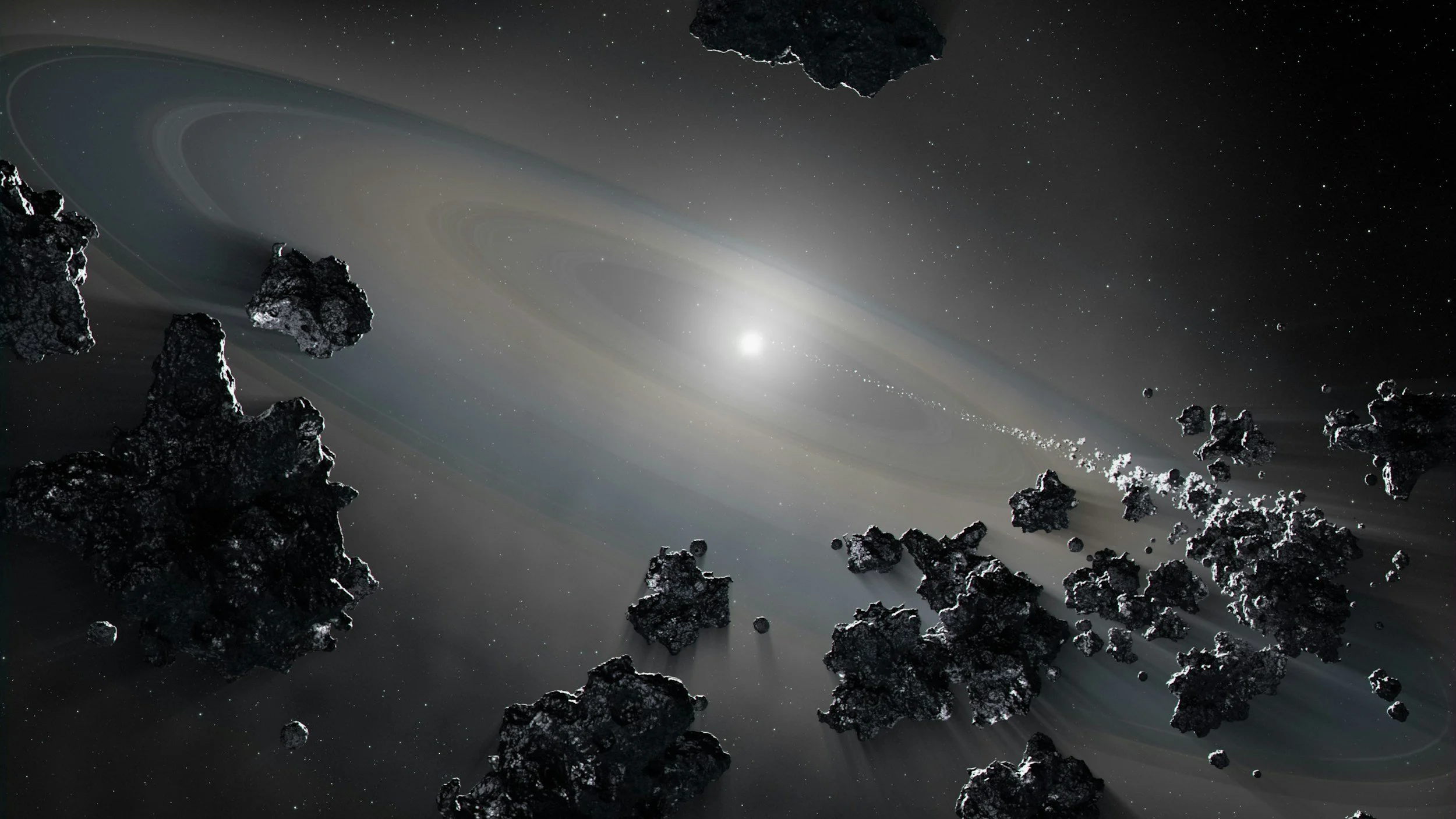
For our young ASTRA members, NASA has online webpages for kids, an educational resource for fun learning, and arts & crafts.
What is an asteroid?
Around The Web
Dark Sky News

Latest News:
DarkSky New Jersey Ordinance is being updated and will be circulated again for review with the New Jersey legislature in 2026.
On the lighter side of astronomy …


What’s Up:
Sky Watching Tips from NASA
Provided by NASA Jet Propulsion Laboratory. Is usually updated anywhere from the first day of the month to the fifth day of the month. Check back to this linked image if it hasn’t been updated yet.
For more go to NASA Jet Propulsion Laboratory webpage: What’s Up: Skywatching Tips From NASA

This article and images are distributed by NASA Night Sky Network
The Night Sky Network program supports astronomy clubs across the USA dedicated to astronomy outreach.
Visit nightsky.jpl.nasa.gov to find local clubs, events, and more!
NSN Articles have been suspended until further notice.
The articles below are from other free sources, including older NSN articles.
The intro for each is provided, but you will need to utilize the included link to view the full article.
The Winter Triangle and Hexagon
The Winter Triangle and Winter Hexagon are prominent, overlapping winter sky asterisms (patterns) containing some of the brightest stars, visible from December to March. Both are used as visual guides to locate various winter constellations, such as Orion, Gemini, and Taurus.
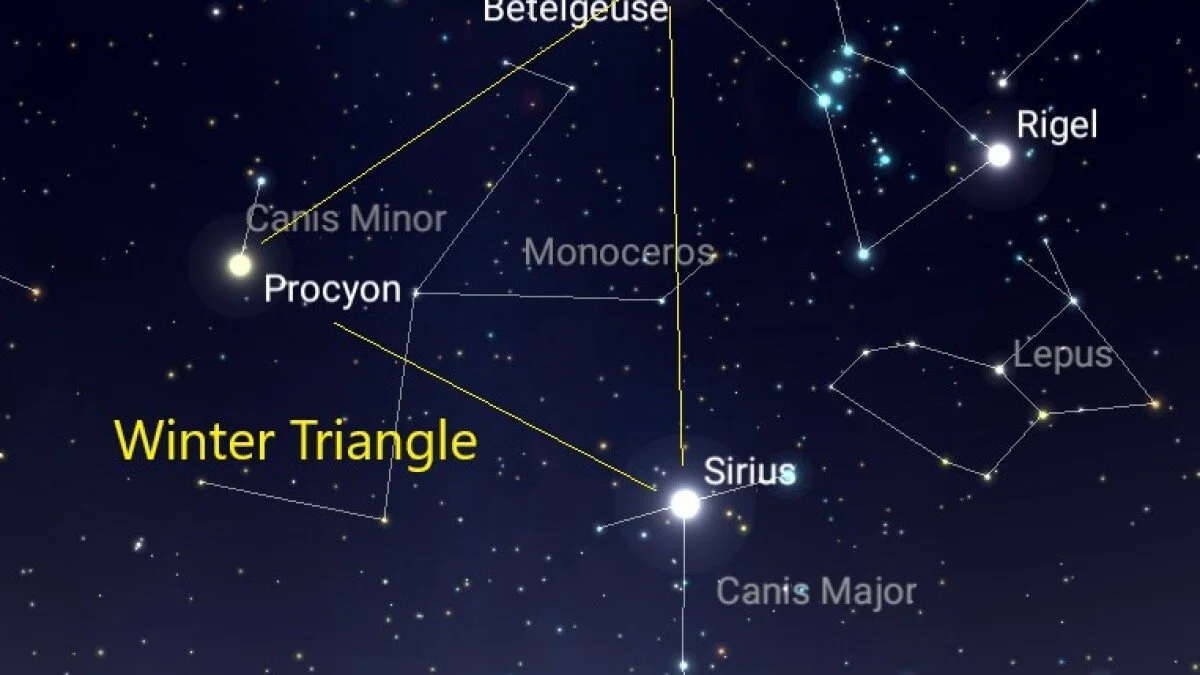
The Winter Triangle
The Winter Triangle is a prominent seasonal asterism (a pattern of stars, not a formal constellation) visible in the Northern Hemisphere's night sky from roughly December through March. It is a near-equilateral triangle formed by three of the brightest stars: Sirius (in Canis Major), Procyon (in Canis Minor), and Betelgeuse (in Orion).
The triangle forms the inner, southern part of the larger "Winter Hexagon" asterism.
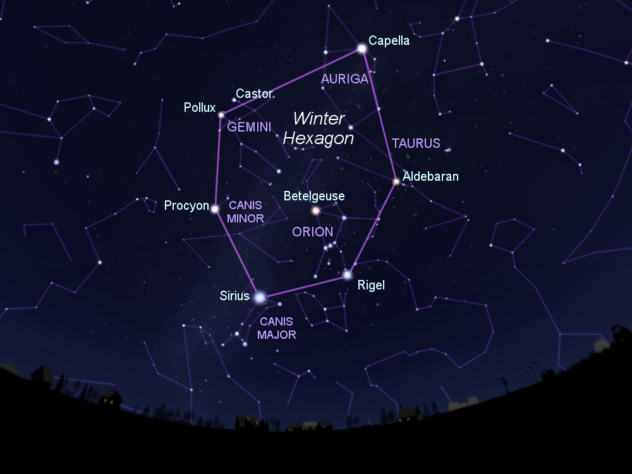
The Winter Hexagon
The Winter Hexagon (or Winter Circle) is a prominent, large asterism visible in the evening sky from January to March in the Northern Hemisphere. Formed by connecting six bright stars—Rigel, Aldebaran, Capella, Pollux, Procyon, and Sirius—this pattern spans a large area of the southern sky, providing a useful guide for identifying major winter constellations.
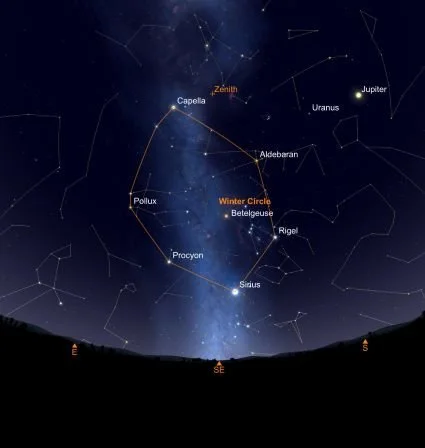
This asterism is a "time machine" in the sky; for instance, the light from Sirius takes roughly 8 years to reach Earth, while the light from the more distant Rigel takes about 800 years. The soft glow of the Milky Way galaxy can be seen running through the center of the hexagon on clear, dark nights.
Deep Sky Objects: The Winter Triangle and Winter Hexagon serve as celestial maps for some of the most spectacular deep-sky objects (DSOs) in the Northern Hemisphere's winter sky. Because the band of the Milky Way runs directly through both asterisms, they are rich with nebulae and star clusters.
This image is the Winter Hexagon and Milky Way as seen on Sky Safari.
The Winter Triangle:
Rosette Nebula (NGC 2237): A large, flower-shaped emission nebula located along the line between Betelgeuse and Procyon.
Cone Nebula & Christmas Tree Cluster (NGC 2264): A complex of gas and stars just north of the Betelgeuse-Procyon line.
Hubble’s Variable Nebula (NGC 2261): A fan-shaped nebula powered by the star R Monocerotis.
Messier 50 (Heart-Shaped Cluster): A bright open star cluster easily visible with binoculars.
The Winter Hexagon:
Orion Nebula (M42): The brightest and most famous nebula in the sky, located in Orion’s Sword, just below the belt.
Horsehead & Flame Nebulae: Iconic dark and emission nebulae near Alnitak, the easternmost star of Orion's Belt.
The Pleiades (M45): A brilliant open cluster of "Seven Sisters" located just outside the Hexagon's edge near Aldebaran.
The Hyades: The closest open star cluster to Earth, forming the "V" shape of the bull’s head in Taurus.
Messier 35: A stunning, dense open cluster located in Gemini near the star Castor.
Auriga Star Clusters (M36, M37, M38): A trio of bright open clusters nestled within the pentagon of Auriga.
Crab Nebula (M1): A famous supernova remnant in Taurus, forming a triangle with Betelgeuse and Aldebaran.
Messier 41: A prominent open cluster located just south of Sirius in Canis Major.
For more: Learn the Sky on YouTube - Winter Triangle versus Winter Hexagon and at Starwalk.Space
Detailed information on the Winter Hexagon can be found at Constellation-Guide.com
There are several comets for 2026.
Comet C/2025 R3 (PanSTARRS), discovered in September 2025, is a long-period comet from the Oort cloud expected to make a close approach to the Sun and Earth in late April 2026. It could reach a magnitude of 2.5, making it a "great comet" candidate visible to the naked eye.
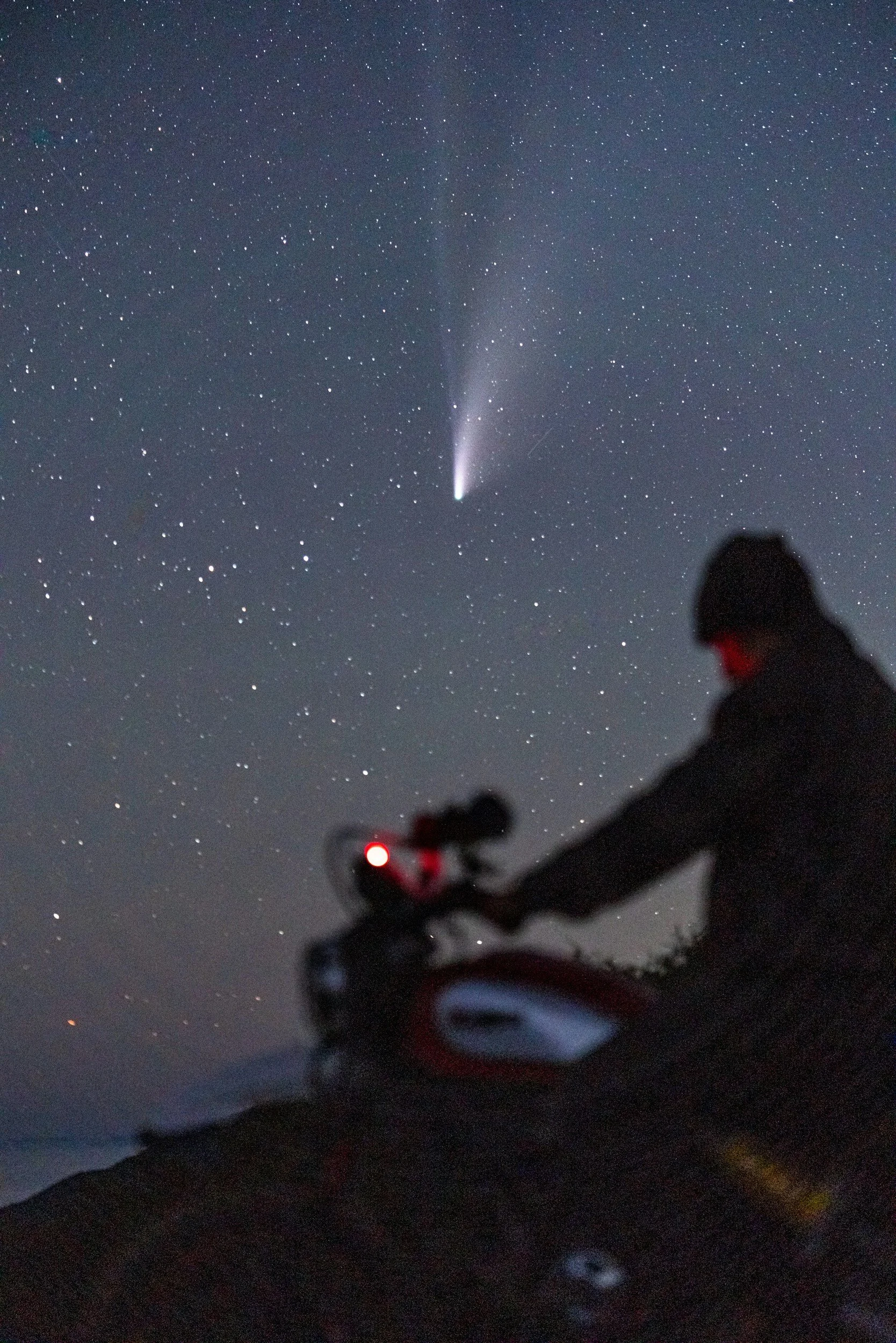
Closest Approach (Perihelion): The comet will pass closest to the Sun on April 20, 2026, traveling between the orbits of Mercury and Venus.
Closest Approach to Earth: It will make its closest pass to Earth on April 27, 2026, at a distance of about 70 million km.
Visibility: Best viewing is predicted for the predawn sky in the Northern Hemisphere in late April. However, it may be too close to the Sun's glare, making post-sunset viewing in early May a possibility.
Brightness Forecast: Predictions range from magnitude 8 (needing binoculars) to a potentially bright magnitude 2.5 (visible to the naked eye).
Location: As it moves, it will pass from the constellation Pisces into Cetus.
NOTE: Comet brightness is notoriously unpredictable, so while C/2025 R3 has high potential, its actual display may vary.
For more visit: NASA Space News - YouTube, starwalk.space, and Space.com

Let’s Explore Space
The Latest News on Astronomy and Sky Watching — By StarWalk Astronomy App - Sky Tonight

Tonight’s Sky: No longer posting
October 2024 was the last updated posting of Tonight’s Sky. It is still available via YouTube.
Linked is the twelve-month playlist on YouTube.
Any suggested replacements, let me know.
Visit the STScI, which produced Hubblesite.org video overviews for Tonight’s Sky.
They can be found both on Facebook and stsci.edu.
Submissions Welcome
Members are invited to submit articles, photos, news, or stories for inclusion with Astral Projections Online. Please contact the ASTRA Webmaster.