Astral Projections Online May 2026
Check our Website for updated content at www.astra-nj.com
Club Presentations Wanted:
Does anyone have any astronomy items of interest to share with the membership?
Please let us know at Club Contacts. For 2026, we still have some open slots.
Club dues and membership.
If you renew after March 31, you will be renewed as a new member.
Forms can be found on the website or here.
ASTRAL PROJECTIONS ONLINE (APO for short) is an email-linked publication for members only. If you exit APO to the club website or other resources you will need to use the emailed link again to get back to it. If you wish to retain a copy please bookmark or refer back to the email. We will make all efforts to post by the first week of the month.
Submissions Welcome: Members are invited to submit articles, photos, news, or stories for inclusion with Astral Projections Online. Please contact the ASTRA Webmaster.
Event Calendar
Event Cancellations: Members will receive email notifications of event cancellations.
Upcoming May ASTRA Meeting
Friday, May 8, 2026, at 7:00 PM EST at Novins Planetarium
Upcoming Public Star Parties
May 16, 2026 - Patriots Park - 9 PM
May 23, 2026 - Jake’s Branch - 9 PM
June 20, 2026 - Jake’s Branch - 9 PM
Upcoming Public, County & State Park Presentations 2026
Public Outreach Presentations: If any member wishes to support ASTRA outreach efforts with the public, please let Vinny, Ro, or Jim know of any interest. Additional help for these events is always appreciated.

May 16 - Ocean Fun Day - Island Beach State Park - Free Event
No Registration required
11 AM to 3 PM
Volunteers needed, with a solar telescope, if available.
Let Jim Webster know.
Note: There is a star party schedule that evening, at Patriots Park.
County and State Park presentations require a registration fee; call the hosting park to reserve.

Website Updates …
Please visit our club website. We continue to have additional updates, if some content would be useful to members please let us know.
"The nitrogen in our DNA, the calcium in our teeth, the iron in our blood, the carbon in our apple pies were made in the interiors of collapsing stars. We are made of starstuff."
Carl Sagan, Cosmos - 1980 - American scientist and science communicator

ASTRA Meeting - May 8 at 7 PM
For the May meeting at the planetarium, we will meet in the meeting room at 7 PM.
Kevin Meier will present to the members:
An Early Milestone in Automated Astronomy.
Please support Novins Planetarium, patronizing their shows, who has supported us since the beginning of ASTRA.
Event Reports

Our star party for April was canceled due to the weather.
April ASTRA Meeting Summary
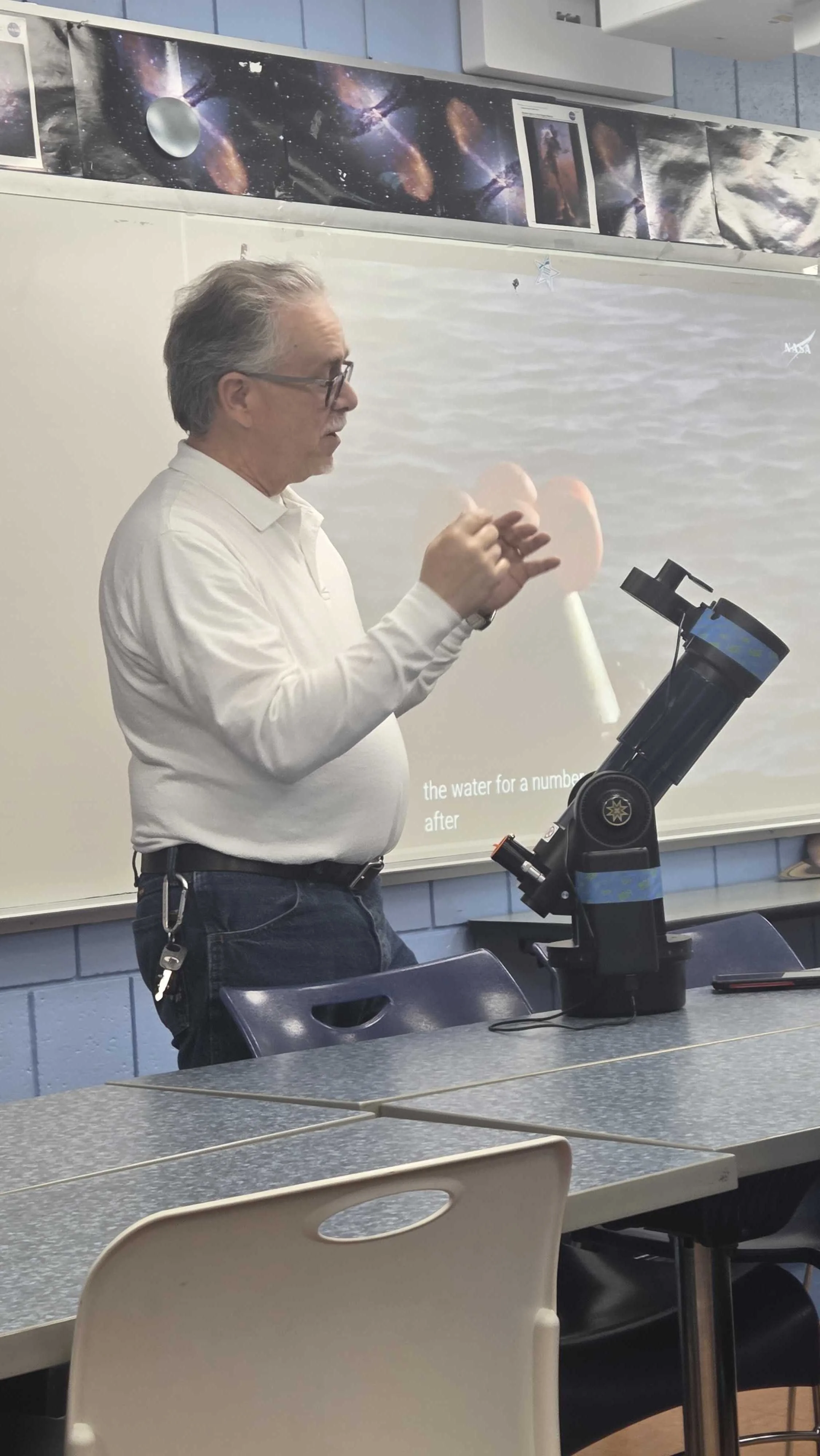
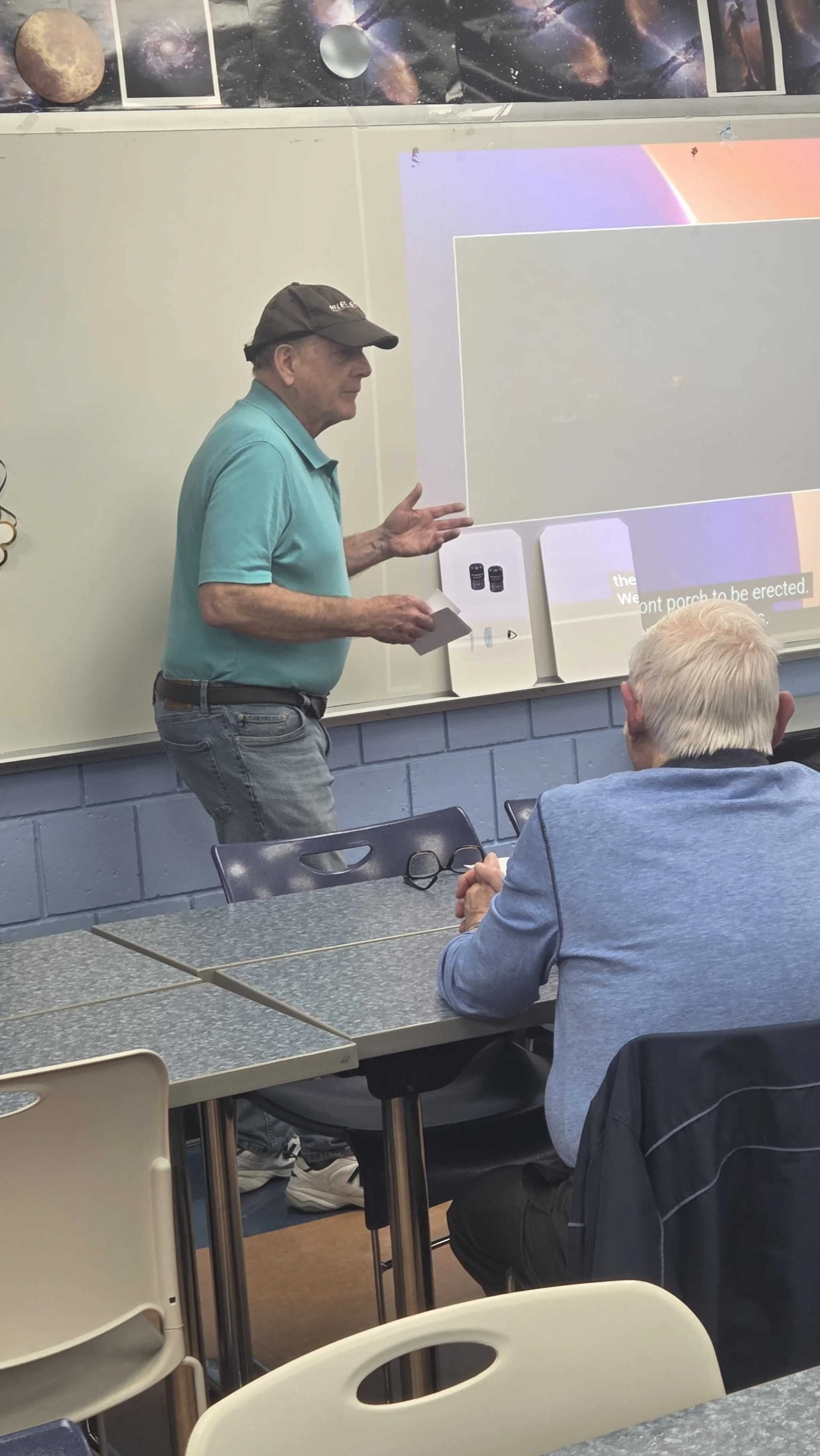
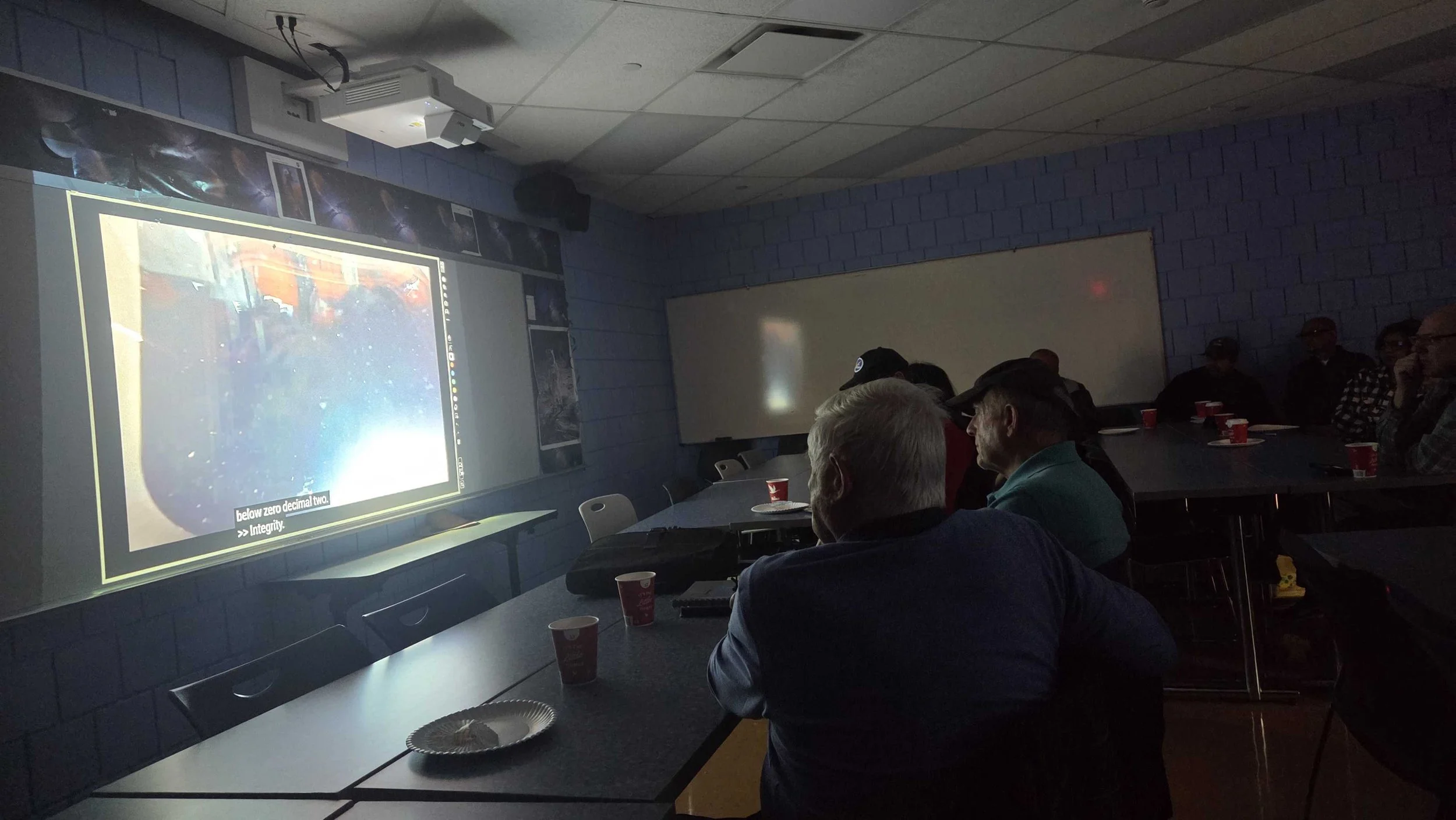
NEAF impacted our ASTRA meeting for April, but it was still a successful event. Members had a Show and Tell, and the timing worked in our favor, being able to watch the Artemis astronauts’ return to Earth.
Public Events and Presentations
We had three events for April:
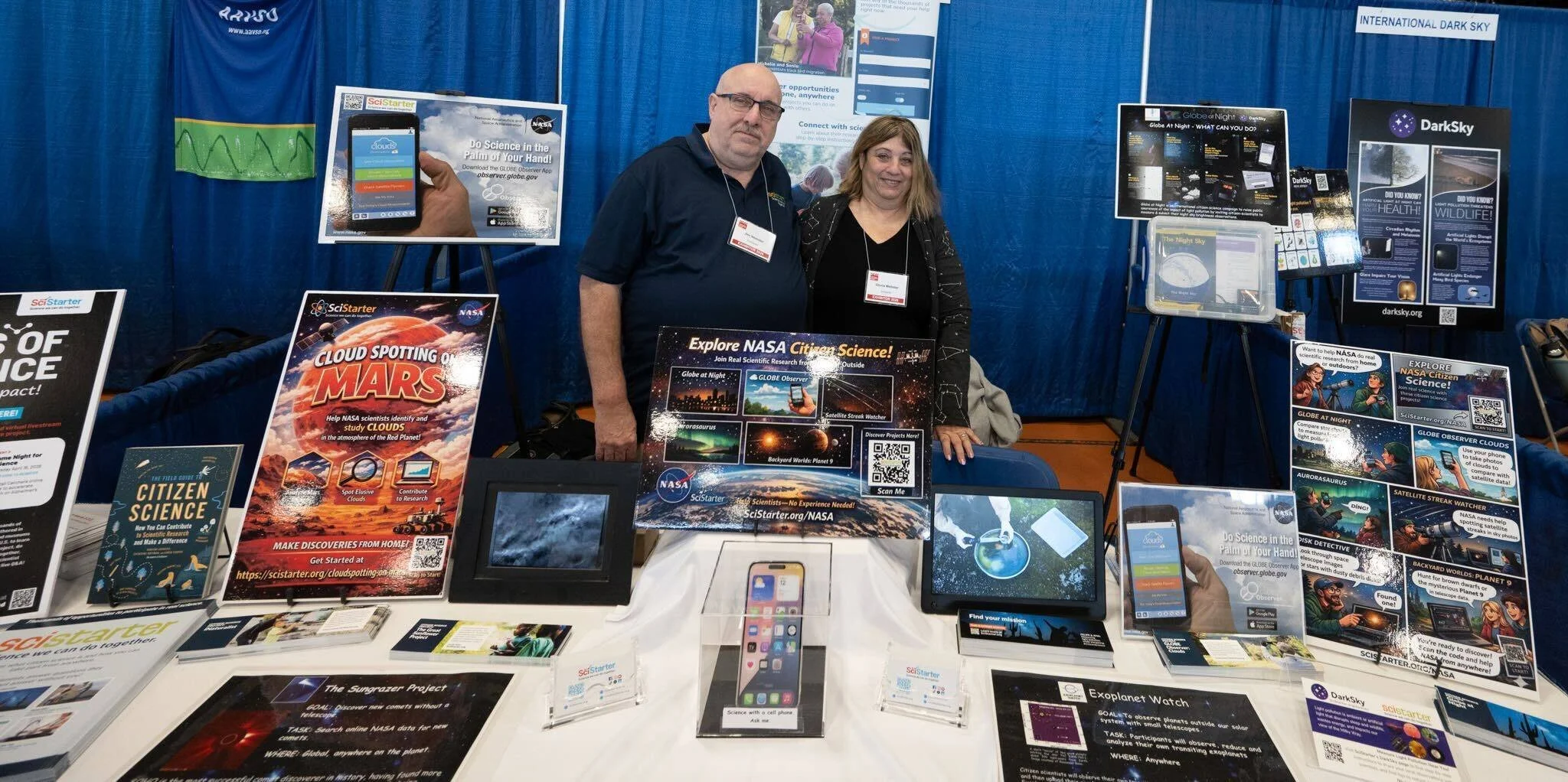
April as always is a busy month.
Jim and Gloria were vendor participants for SciStarter and DarkSky at NEAF. We had 320 logged guests interested in all the available NASA Citizen Science projects.
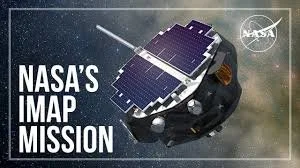
NASA IMAP Mission
At NEAF, we met up with the Princeton University team that is part of the NASA IMAP Mission. The NASA Interstellar Mapping and Acceleration Probe (IMAP) mission, led by Princeton University professor David McComas, is a major heliophysics project aimed at studying the Sun's interaction with the solar system, known as the heliosphere.
We are fortunate that we met with the Princeton team, and we have a verbal agreement that they will present the mission to the ASTRA members sometime in 2027. This now makes two for 2027, which is usually a struggle to get presentations.
Other Events:
We had the ASTRA table for the Educators Roundtable again, a smaller event, but still a nice day.
Unfortunately, we had to cancel ASTRA from the Cattus Island Nature Festival due to the weather. As an outside vendor, we can’t risk exposing our solar gear to the weather. Maybe next year, in 2027.
Because of the Cattus Island cancellation, we were able to table the Novin’s Planetarium Earth Day event.

AstroMag April 2026
A free online publication for Amateur Astrophotographers.
The Moon: Our Nearest Neighbor
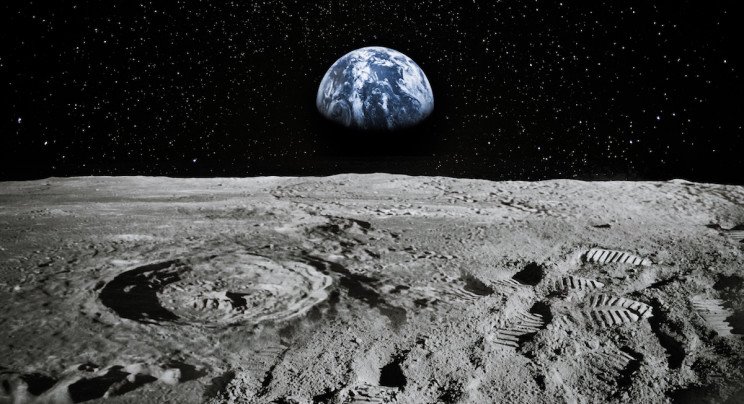
Let’s explore some interesting features, facts, or myths about our nearest neighbor, the Moon. Without it, life on Earth would be totally different, if not at all.
The Shrinking Moon
Note: This article is partially AI-generated.
The Moon is shrinking, losing roughly 150 feet (50 meters) in circumference over the last several hundred million years due to the cooling of its interior. This contraction makes the brittle crust crack, creating "lobate scarps" (cliffs) and triggering significant moonquakes, particularly near the lunar South Pole. … The Planetary Society
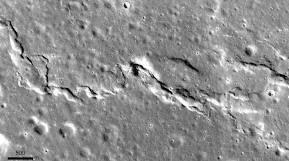
Researchers have uncovered more than a thousand previously unknown tectonic ridges across the Moon’s dark plains, showing the Moon is still contracting and reshaping itself. These features are among the youngest geological structures on the lunar surface. Because they form through the same forces linked to past moonquakes, they could signal new seismic hotspots. … Science Daily
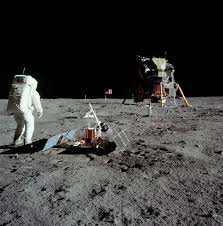
Moonquakes
Moonquakes are seismic events on the Moon caused by tidal forces, meteorite impacts, and the cooling/contraction of its interior, with intensities reaching up to 5.5 on the Richter scale. Unlike Earth, the Moon lacks tectonic plates, but its quakes can last over an hour due to the rigid crust. … science.nasa
A look at decades-old data from the Apollo missions has uncovered evidence of tens of thousands of previously unrecognized moonquakes. The results could reveal details about the moon’s inner workings and could have implications for future human missions. … Science News

Outreach material below is distributed free for public outreach.
Astronomy for ASTRA Kids
NASA Science
For our young ASTRA members, NASA has online webpages for kids, an educational resource for fun learning, and arts & crafts.
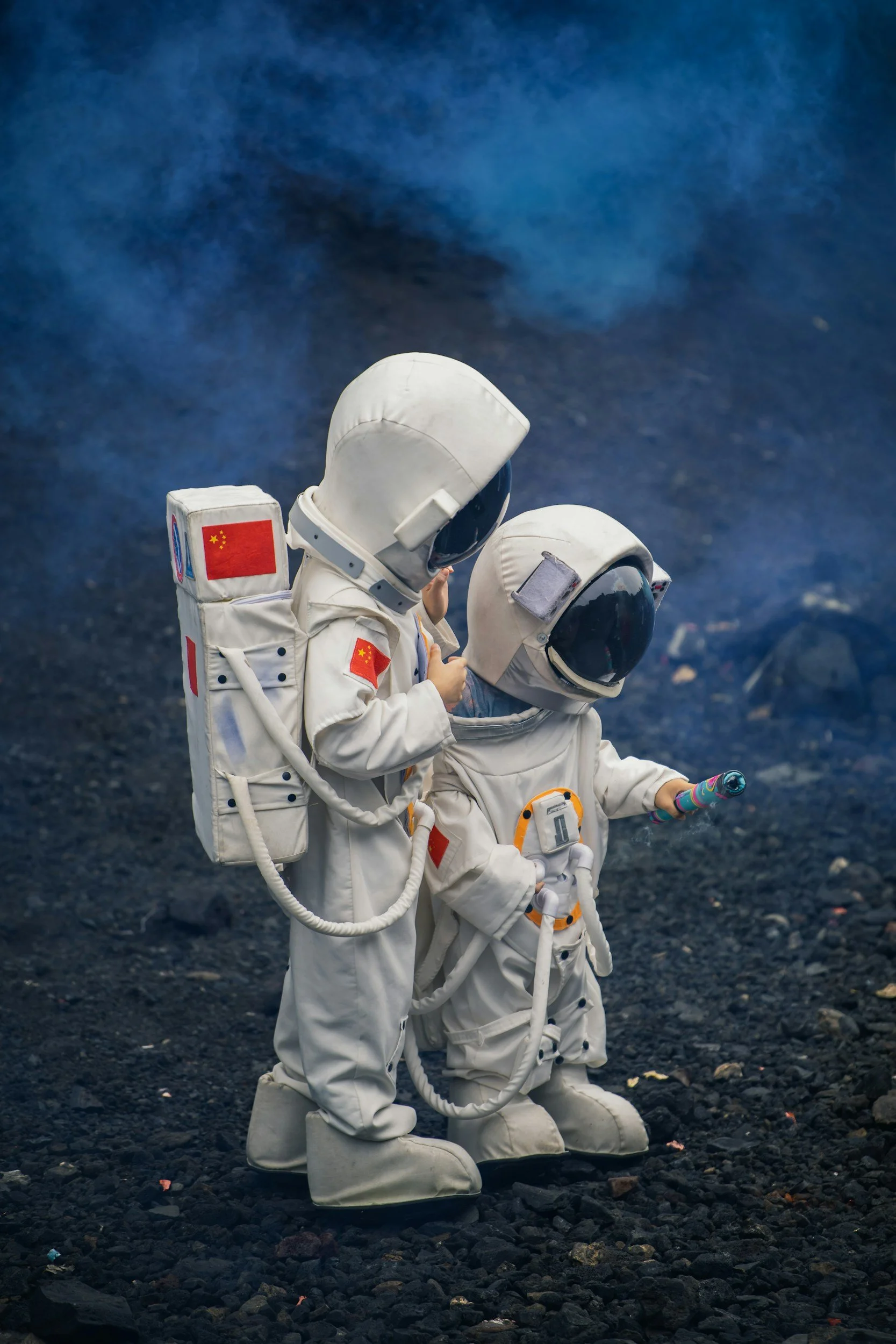
How do we launch things into space?
Image by Quan-Yu Zang on Squarespace.
Around The Web
Dark Sky News

Latest News:
DarkSky New Jersey has now become a 501c (3). This now opens the doors for bigger and better things for the movement, correcting light pollution in New Jersey.
We have gained many supporters, and the list is growing. Once we have permission to post them, we will list them in the near future.
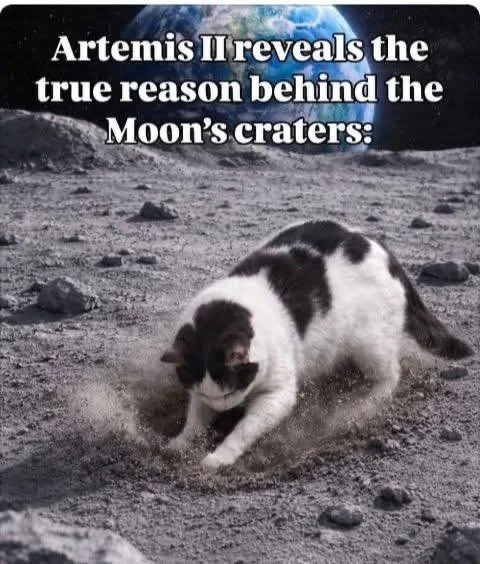
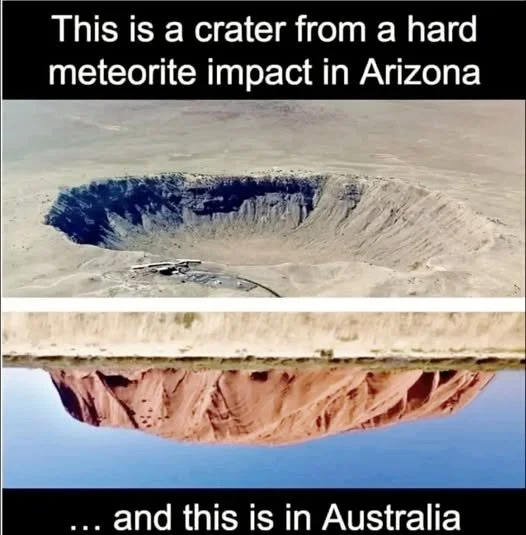
On the lighter side of astronomy …

What’s Up:
Sky Watching Tips from NASA
Provided by NASA Jet Propulsion Laboratory. Is usually updated anywhere from the first day of the month to the fifth day of the month. Check back to this linked image if it hasn’t been updated yet.
For more go to NASA Jet Propulsion Laboratory webpage: What’s Up: Skywatching Tips From NASA

This article and images are distributed by NASA Night Sky Network
The Night Sky Network program supports astronomy clubs across the USA dedicated to astronomy outreach.
Visit nightsky.jpl.nasa.gov to find local clubs, events, and more!
NSN Articles have been suspended until further notice.
The articles below are from other free sources, including older NSN articles.
The intro for each is provided, but you will need to utilize the included link to view the full article.
Markarian’s Chain
Markarian's Chain is a visually stunning, curved alignment of galaxies located within the heart of the Virgo Cluster, approximately 50-70 million light-years away. It is a popular target for astronomers and is frequently featured by NASA's Astronomy Picture of the Day (APOD), including a recent feature on May 1, 2026.
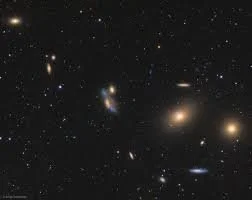
Markarian's Chain is a visually stunning, curved alignment of galaxies located within the Virgo Cluster, about 50–60million light-years away. Discovered by astrophysicist Benjamin Markarian in the early 1960s, it includes prominent members like M84, M86, and the interacting pair NGC 4438/NGC 4435 ("The Eyes"). It is a popular target for amateur astronomers, best viewed in spring.
Key Facts About Markarian's Chain
Location: Situated in the Virgo constellation, bordering Coma Berenices.
Composition: A chain of over a dozen galaxies, though seven key members move coherently (M84, M86, NGC 4477, NGC 4473, NGC 4461, NGC 4458, NGC 4438, and NGC 4435).
Discovery: Named after Armenian astrophysicist B.E. Markarian, who identified their common motion.
Image: APOD: March 2024 & Wikipedia
Appearance: When viewed from Earth, they form a smooth arc (roughly 1.5 degrees).Interactions: The pair NGC 4438 and NGC 4435 are known as "Markarian's Eyes" due to their interacting, distorted nature.
Viewing and Photography Tips
Best Time: Spring and early summer are the best times to observe this feature.
Equipment: A small refractor telescope or a DSLR camera with a 300mm+ lens can capture the chain, as recommended in this BBC Sky at Night Magazine guide.
Technique: Stacking images from 1–2 minute exposures is effective for capturing the faint, distant galaxies.
Observation: The galaxies are faint, so dark-adapted eyes are necessary, as described in this NGC review.
The chain is part of the larger, massive Virgo Cluster, which influences the Local Group of galaxies containing our Milky Way.
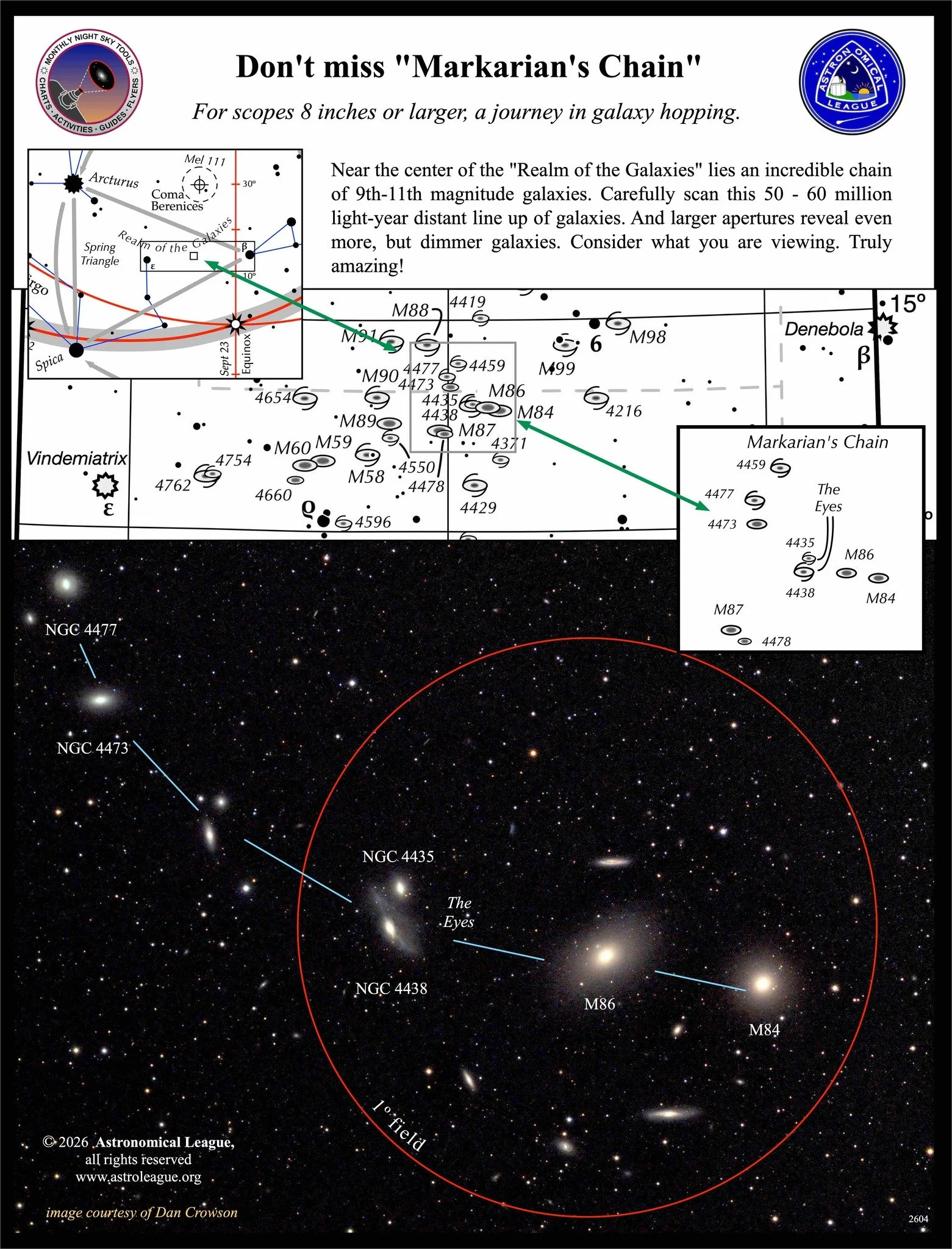
Capturing Markarian's Chain from both perspectives gives you a complete appreciation of the Virgo Cluster. Here is how you can approach both the sweeping arc and the fine structural details.
1. The Wide-Field Sweep
To capture the entire 1.5-degree gentle curve of the chain, you need a generous field of view.
The Gear Strategy: A compact, wide-field smart telescope like the DWARF 3 is practically built for this exact framing. You can comfortably fit the main sequence—from the anchor galaxies of M84 and M86 all the way up the arc to NGC 4477—into a single, uncropped frame.
Framing Tip: Center your field of view roughly between M86 and NGC 4438 (The Eyes). This ensures you don't clip the outer edges of the chain while keeping the brightest, most prominent galaxies in the sweet spot of your sensor.
2. The Deep-Sky Dive
Once you have the wide family portrait, zooming in reveals the violent gravitational dances happening within the cluster.
The Gear Strategy: An instrument with a longer focal length and narrower field of view, like the Unistellar Odyssey, will allow you to isolate specific galactic interactions and pull out finer structural details that get lost in a wide shot.
Prime Targets: * The Eyes (NGC 4438 and NGC 4435): This is arguably the most dynamic pairing in the chain. Focus here to capture the distorted, stretched-out tidal tails of NGC 4438, which is being actively ripped apart by its neighbor.
The Core (M84 and M86): While they look like simple fuzzballs at a distance, a deeper dive into these massive lenticulars can reveal their sheer density and the subtle halos of stars surrounding them.
A Note on the Skies
Because you are hunting galaxies, you are capturing broad-spectrum starlight. Narrowband light pollution filters won't help here; they will just eat the faint signal of the galactic halos. To get those delicate tidal tails and faint outer structures, setting up under the darkest, most unpolluted skies you can access across New Jersey is going to be your biggest advantage.
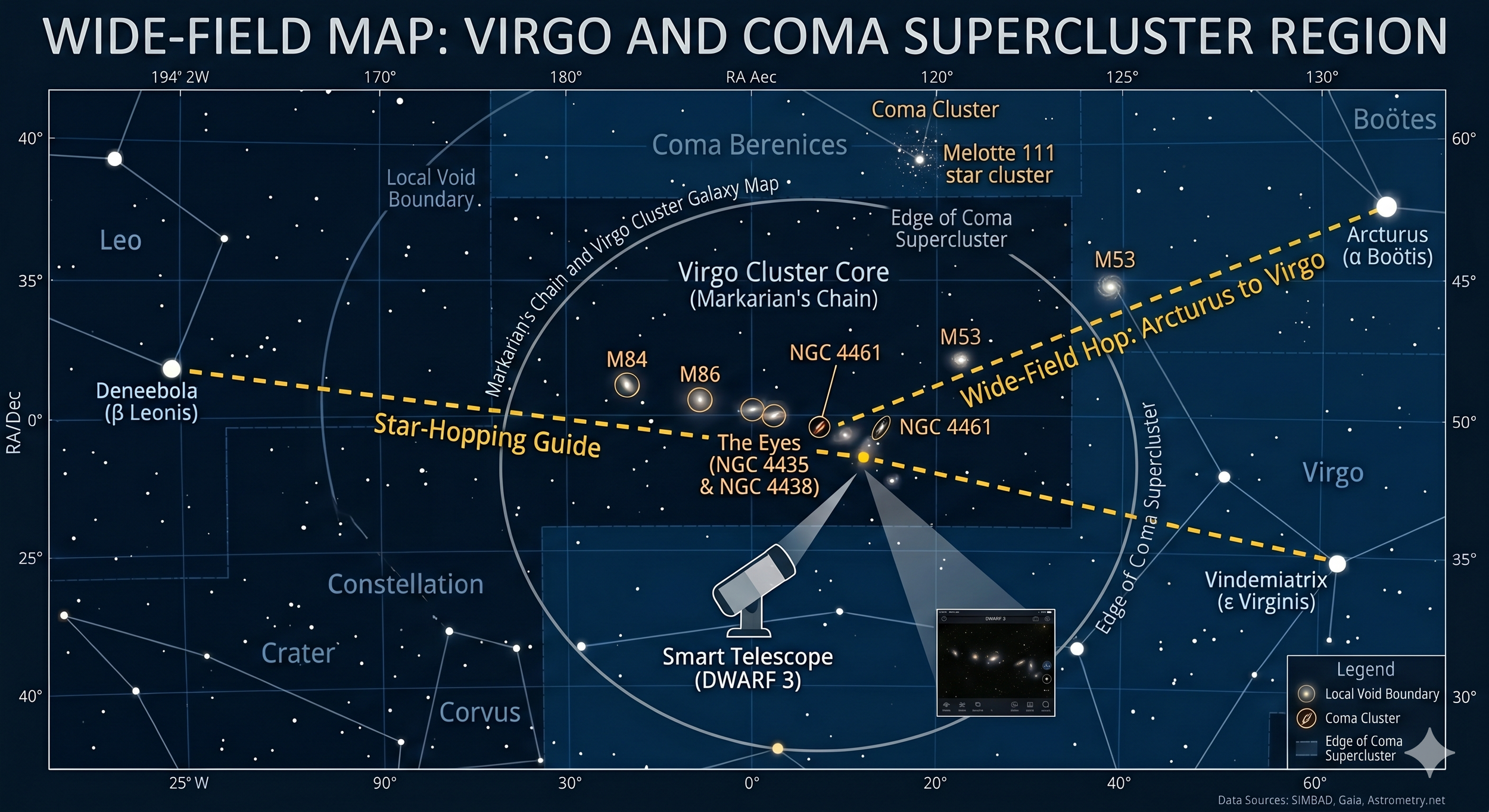
Below is a Wide-Field image for Markarian’s Chain as generated by AI. Astronomically, AI mapping is notoriously incorrect.
Over time, it will correct itself, but we are not there yet. Please review and let me know at our May meeting if there is anything wrong with it.

Let’s Explore Space
The Latest News on Astronomy and Sky Watching — By StarWalk Astronomy App - Sky Tonight

Tonight’s Sky: No longer posting
October 2024 was the last updated posting of Tonight’s Sky. It is still available via YouTube.
Linked is the twelve-month playlist on YouTube.
Any suggested replacements, let me know.
Visit the STScI, which produced Hubblesite.org video overviews for Tonight’s Sky.
They can be found both on Facebook and stsci.edu.
Submissions Welcome
Members are invited to submit articles, photos, news, or stories for inclusion with Astral Projections Online. Please contact the ASTRA Webmaster.