Astral Projections Online April 2026
Check our Website for updated content at www.astra-nj.com
Club Presentations Wanted:
Does anyone have any astronomy items of interest to share with the membership?
Please let us know at Club Contacts. For 2026, we still have some open slots.
Club dues and membership.
If you renew after March 31, you will be renewed as a new member.
Forms can be found on the website or here.
ASTRAL PROJECTIONS ONLINE (APO for short) is an email-linked publication for members only. If you exit APO to the club website or other resources you will need to use the emailed link again to get back to it. If you wish to retain a copy please bookmark or refer back to the email. We will make all efforts to post by the first week of the month.
Submissions Welcome: Members are invited to submit articles, photos, news, or stories for inclusion with Astral Projections Online. Please contact the ASTRA Webmaster.
Event Calendar
Event Cancellations: Members will receive email notifications of event cancellations.
Upcoming April ASTRA Meeting
Friday, April 10, 2026, at 7:00 PM EST at Novins Planetarium
Upcoming Public Star Parties
April 25, 2026 - Jake’s Branch - 8:30 PM
May 16, 2026 - Patriots Park - 9 PM
May 23, 2026 - Jake’s Branch - 9 PM
Upcoming Public, County & State Park Presentations 2026
Public Outreach Presentations: If any member wishes to support ASTRA outreach efforts with the public, please let Vinny, Ro, or Jim know of any interest. Additional help for these events is always appreciated.
April 25 - Cattus Island Nature Festival - Free Event
Volunteers needed, with a solar telescope, if available.
Let Jim Webster know.
Note: There is a star party on this day in the evening at Jake’s Branch.

County and State Park presentations require a registration fee; call the hosting park to reserve.

Website Updates …
Please visit our club website. We continue to have additional updates, if some content would be useful to members please let us know.
"The world watches in awe of man’s return to the moon with Artemis. My childhood reborn from the Apollo missions for this new generation, in wonder of possibilities."
Jim Webster - ASTRA-NJ

ASTRA Meeting - April 10 at 7 PM
For the April meeting at the planetarium, we will meet in the meeting room at 7 PM.
Vic Palmieri will be sharing some items of interest. Members are welcome to share as well.
(Show and Tell)
Please support Novins Planetarium, patronizing their shows, who has supported us since the beginning of ASTRA.
Event Reports
Our star party for March was canceled due to the weather.
Vita Leonis - Stock image on SquareSpace

North East Astronomy Forum
It's April, and we know what that means. It’s the rainmakers’ month of astronomy. Plenty of vendors will be on hand. This will include Jim and Gloria Webster presenting SciStarter and DarkSky. Come by and say hello if your there.
March ASTRA Meeting Summary
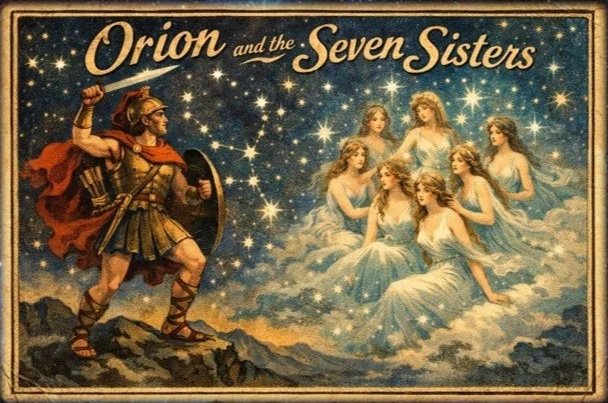
For our March meeting, Jim Webster provided the first draft of a public outreach presentation he created. This was on Constellation Mythology: Orion and the Seven Sisters, the Pleiades.
We covered several cultural myths from around the world with some archaeological items of interest. We were able to keep the presentation to an hour, which is a big thing for public outreach presentations. Anything more and you start losing your audience's interest.
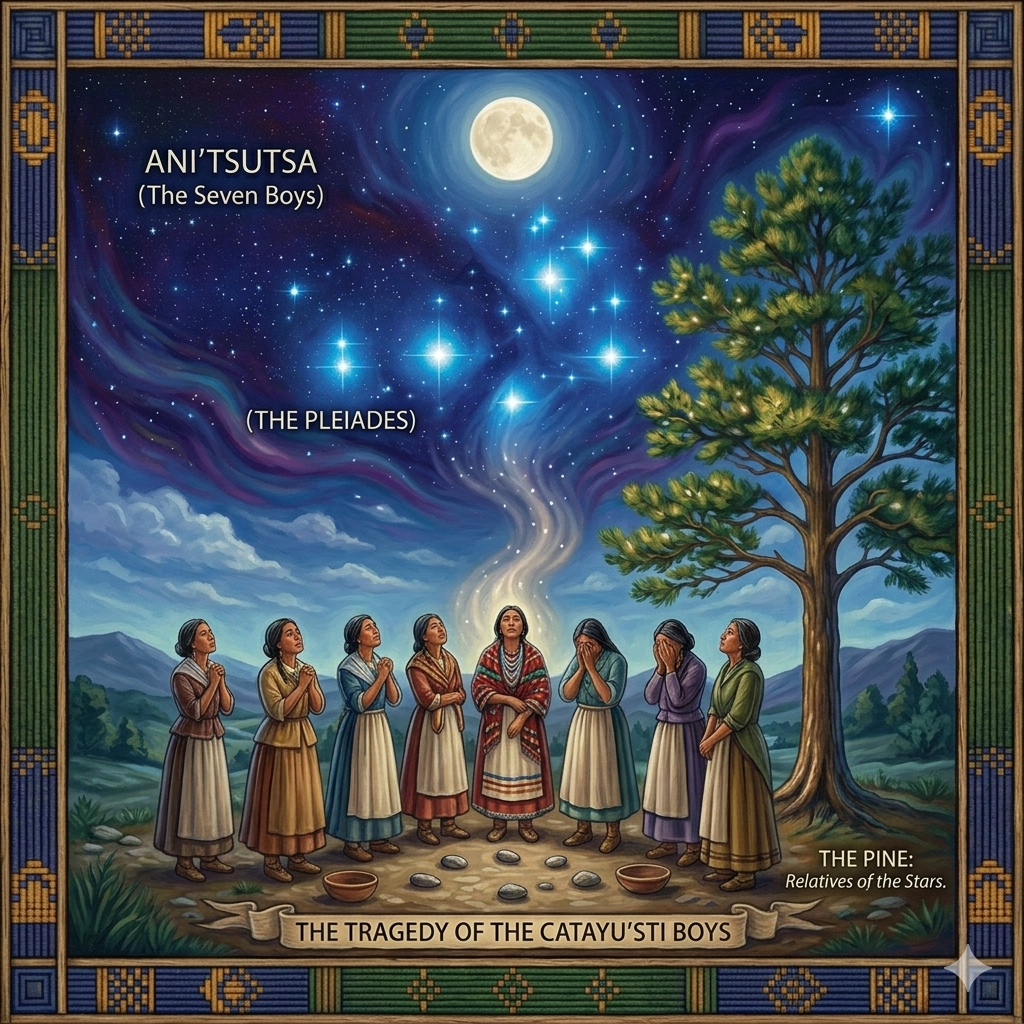
The presentation was tied mostly to Orion and the Pleiades, with some mention of Scorpius and Canis Major and Minor. We reviewed some Native American and Irish mythological stories, along with several others. We could not have a presentation of this type without mentioning the Greeks and Egyptians as well.
Much of the presentation was made with research done with Gemini AI and ChatGPT. With the growing popularity of AI, it must include reference sources that have been examined. Not doing so can lead to false factual information.
If anyone is interested in using AI to research for a future club presentation, let Jim Webster know.
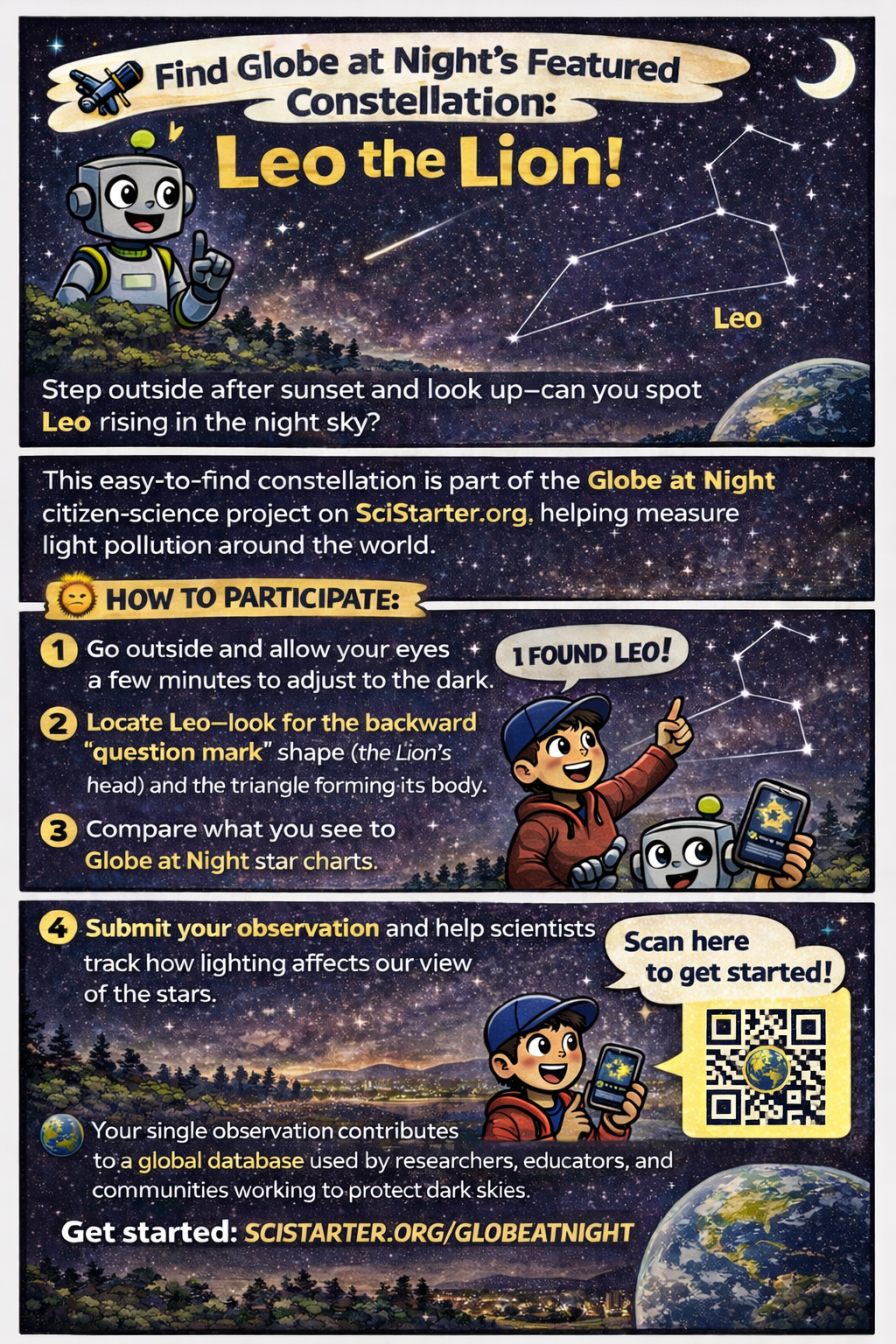
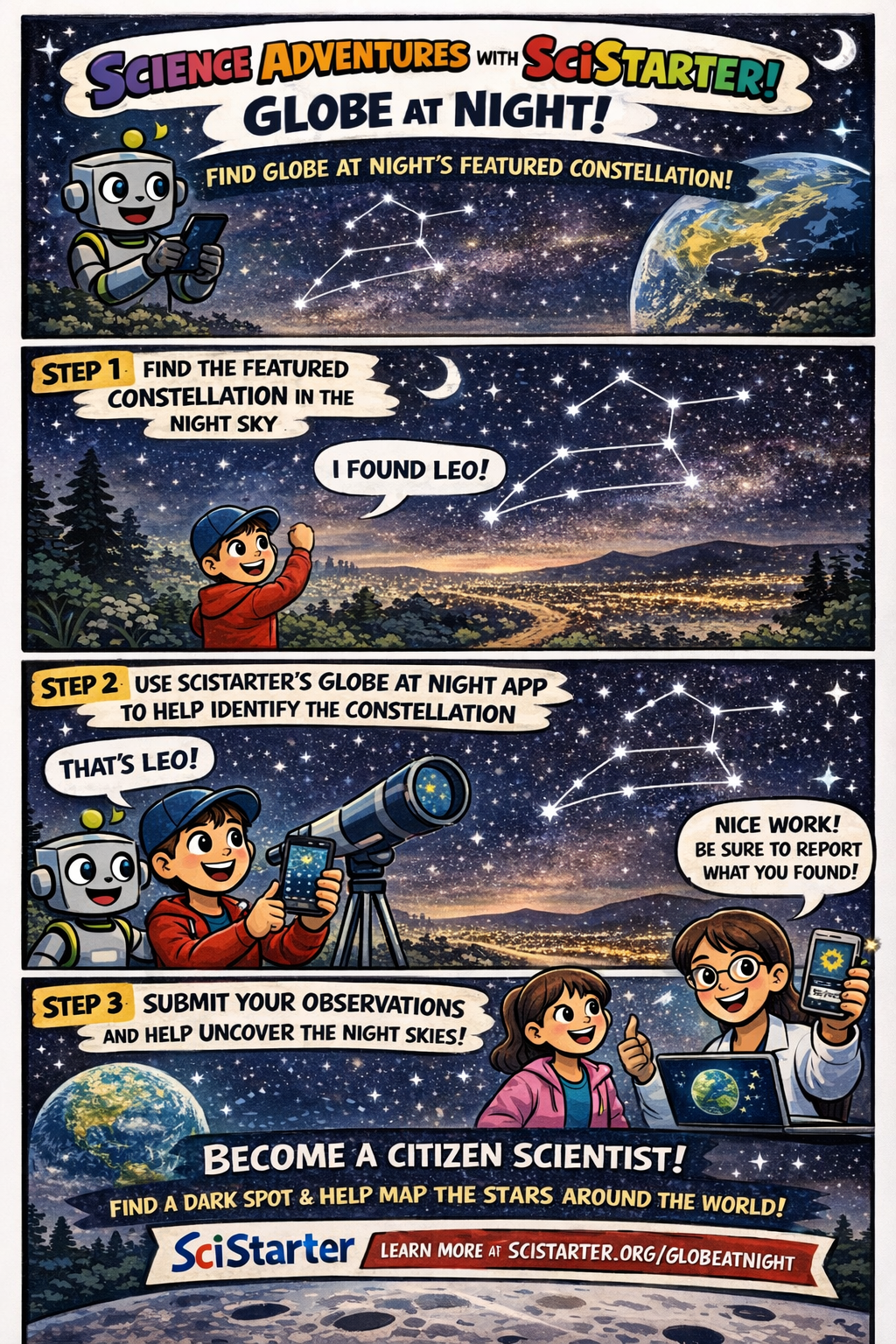
Which image below of the constellation Leo is correct? Know your sources and validate.
Public Events and Presentations
We had one event for March:
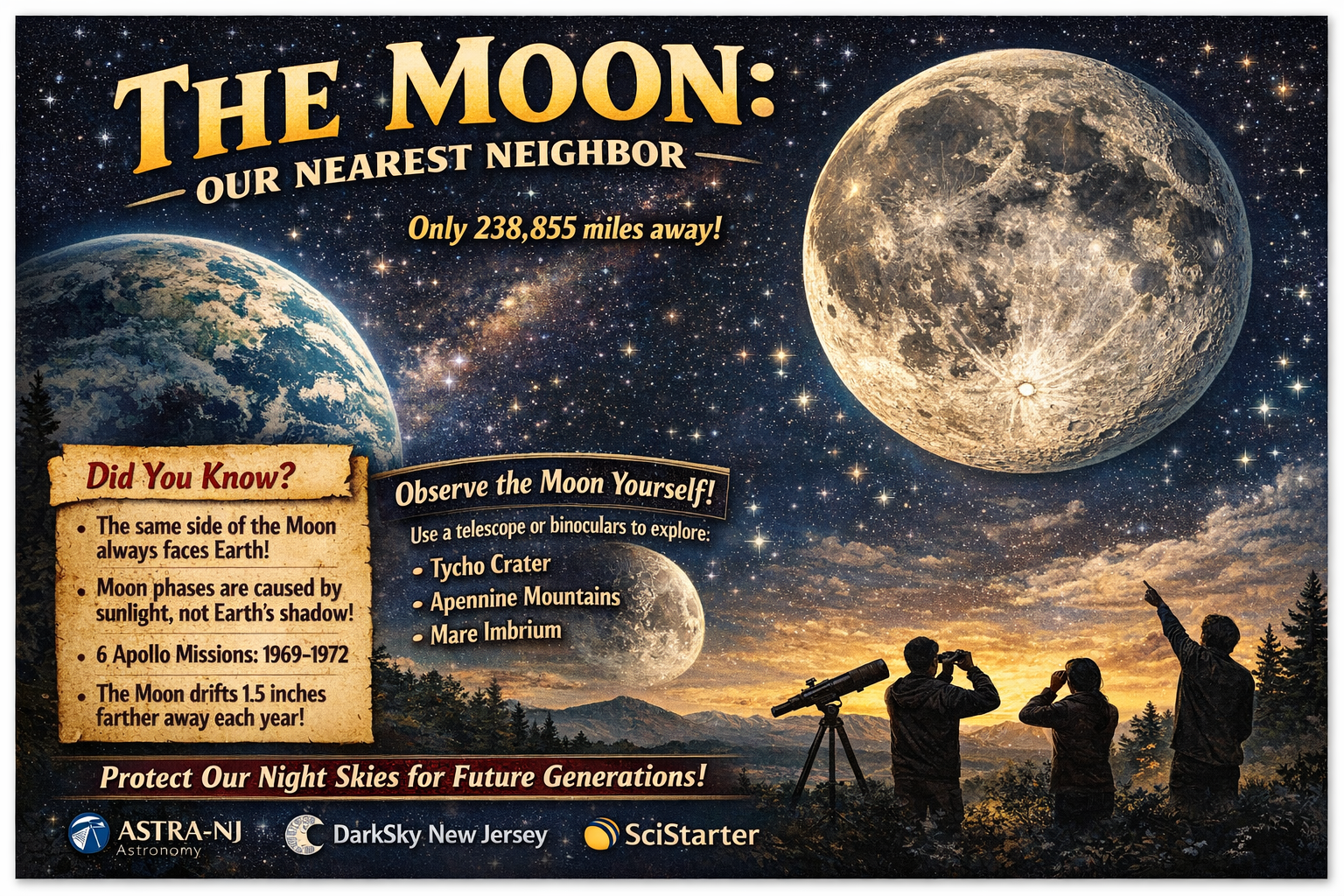
We had a public presentation on March 3, at Cattus Island County Park on The Moon, Our Nearest Neighbor.
A small group, attended by ten registered guests, and it went well. We used Cattus Island’s latest audio/video technologies, and it went mostly well with a few glitches.
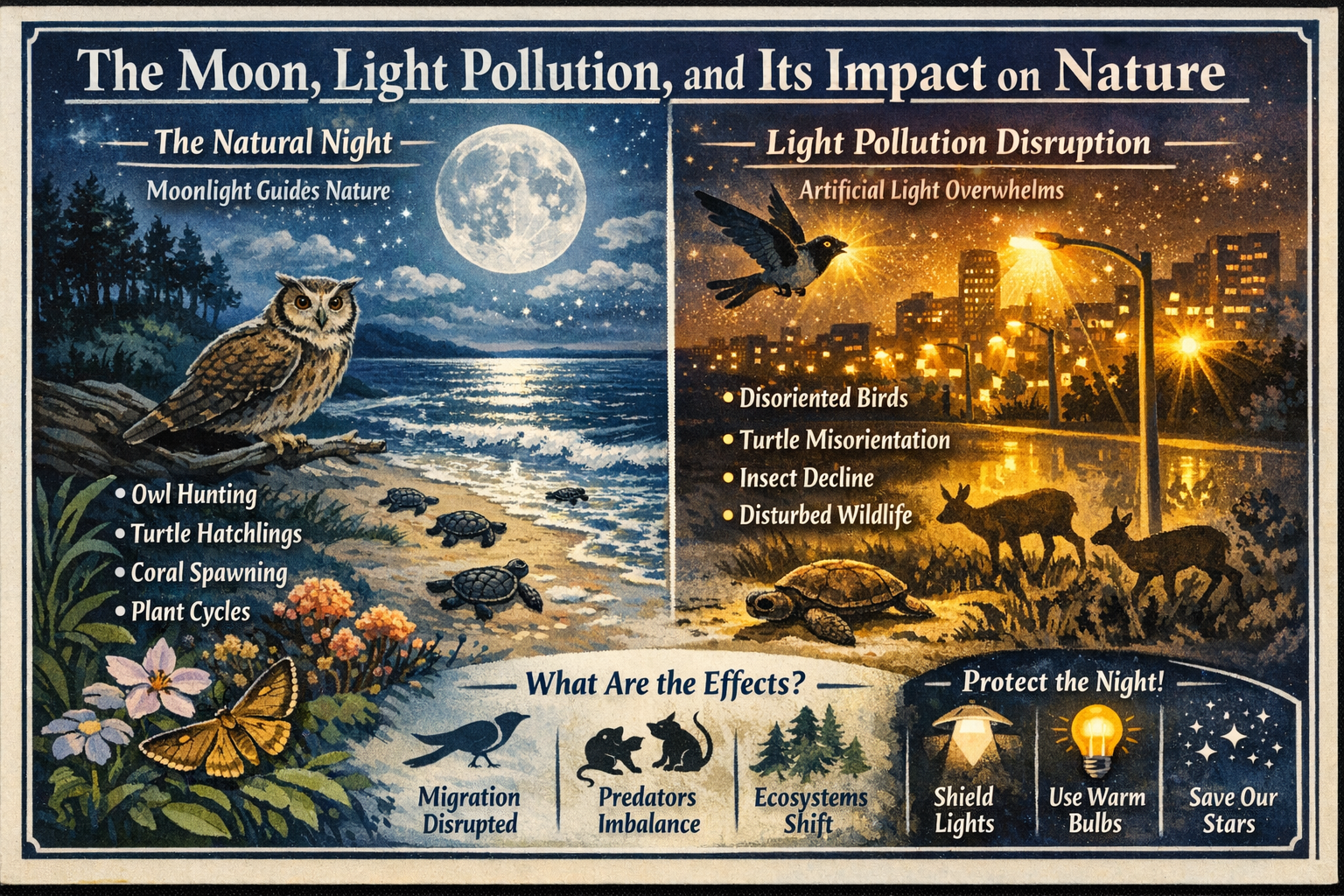
We explored the latest Citizen Science project on the moon, DarkSky New Jersey, which was also discussed. The guests were surprised by the importance of the moon to nature and the impact of light pollution.
The introduction of constant artificial light effectively creates a perpetual "full moon" in many areas. This scrambles the biological cues that govern navigation, reproduction, and survival. Particularly in coastal and marshlands, where these effects are often most visible.

AstroMag March 2026
A free online publication for Amateur Astrophotographers.
The Moon: Our Nearest Neighbor
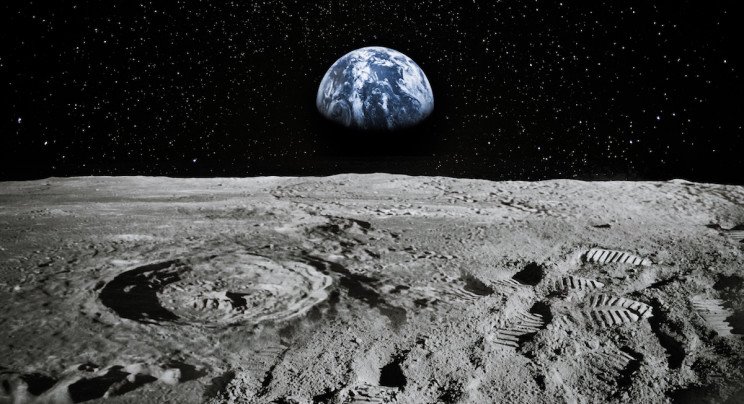
Let’s explore some interesting features, facts, or myths about our nearest neighbor, the Moon. Without it, life on Earth would be totally different, if not at all.
Artemis: Return to the Moon
Note: This article is partially AI-generated.
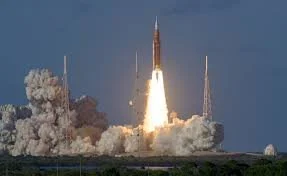
NASA's Artemis program is currently in the midst of its first crewed mission, Artemis II, which successfully launched on April 1, 2026. This historic flight marks the first time humans have traveled beyond low Earth orbit since the Apollo 17 mission in 1972
The mission is a 10-day flight test of the Space Launch System (SLS) rocket and the Orion spacecraft (named Integrity).
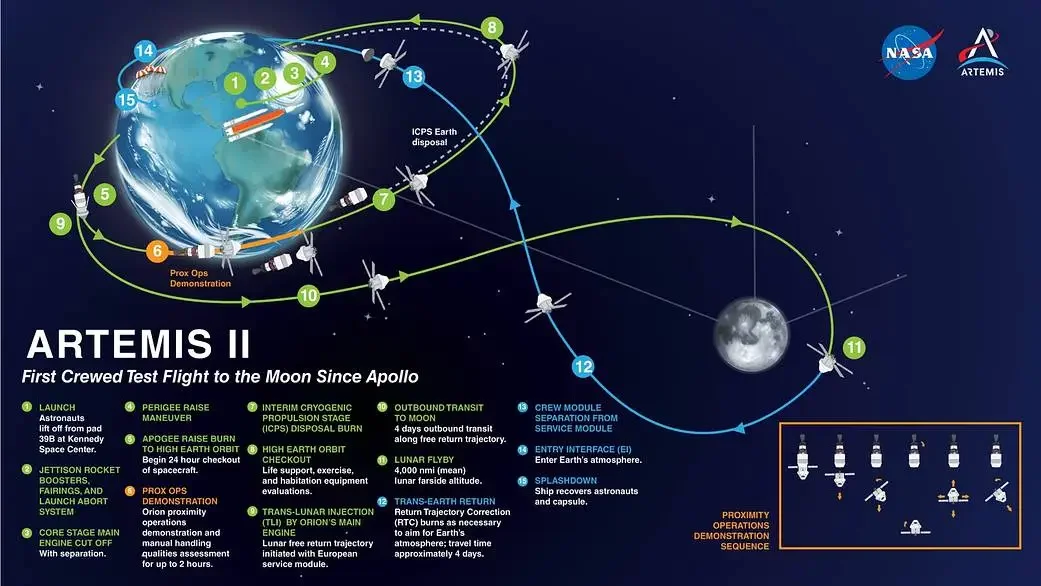
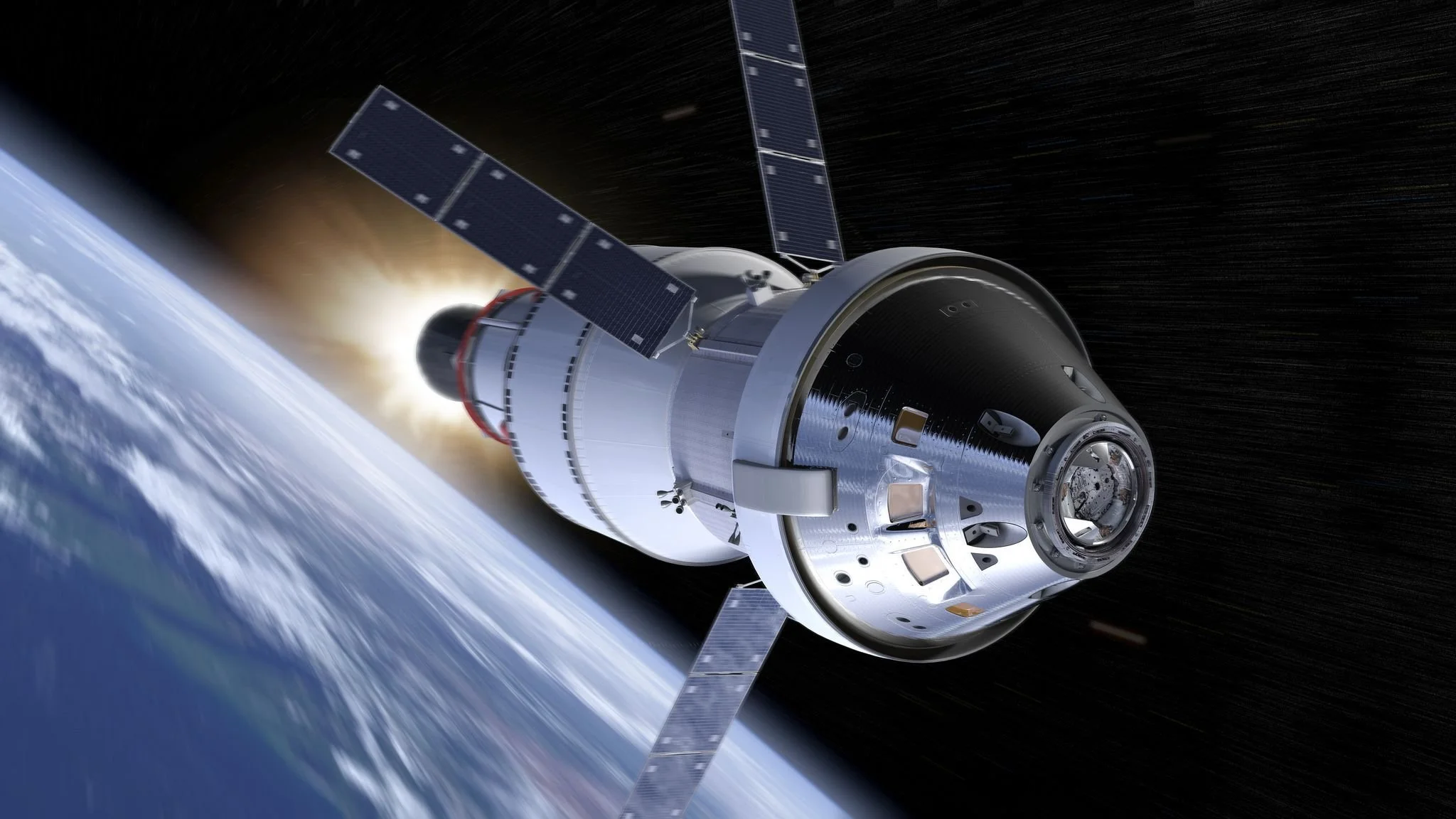
On Monday, April 6, they will perform a lunar flyby, coming within 4,600 miles of the far side. This trajectory will break the record for the farthest humans have ever traveled from Earth.
Splashdown is scheduled for April 10, 2026, in the Pacific Ocean off the coast of San Diego.
Artemis Mission - From Launch to Splashdown
Unfortunately, the mission has not gone without some issues, with the following one being the most current. The Orion spacecraft developed a critical issue with its toilet system, specifically involving frozen urine in a vent line. Mission controllers developed a plan to rotate the capsule to allow the sun to warm the frozen line. YouTube
Mare Nectaris
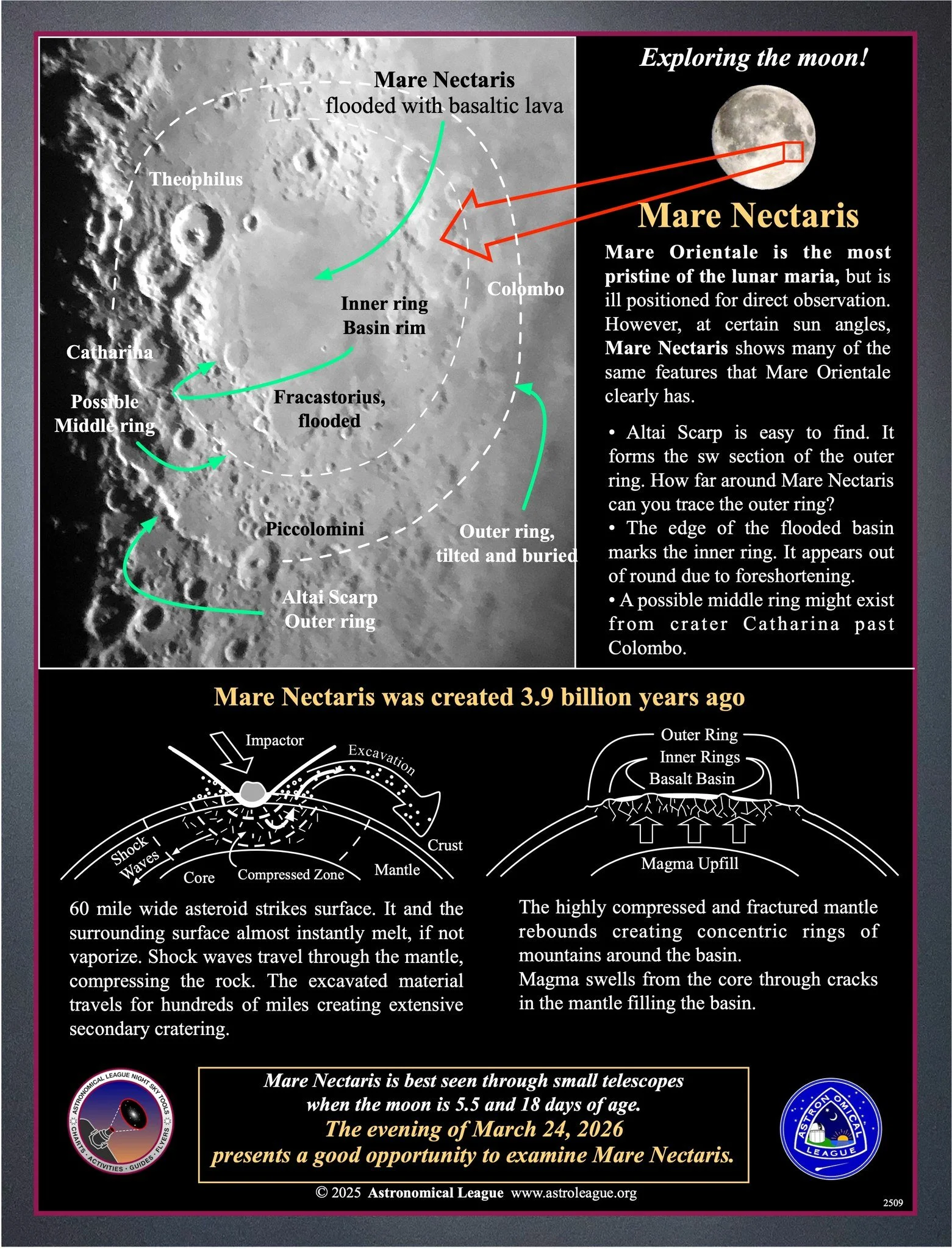

Outreach material below is distributed free for public outreach.
Astronomy for ASTRA Kids

NASA Science
For our young ASTRA members, NASA has online webpages for kids, an educational resource for fun learning, and arts & crafts.
Artemis Mission to the Moon.
Image by Quan-Yu Zang on Squarespace.
Around The Web
Dark Sky News

Latest News:
DarkSky New Jersey Ordinance is being updated and will be circulated again for review with the New Jersey legislature in 2026.
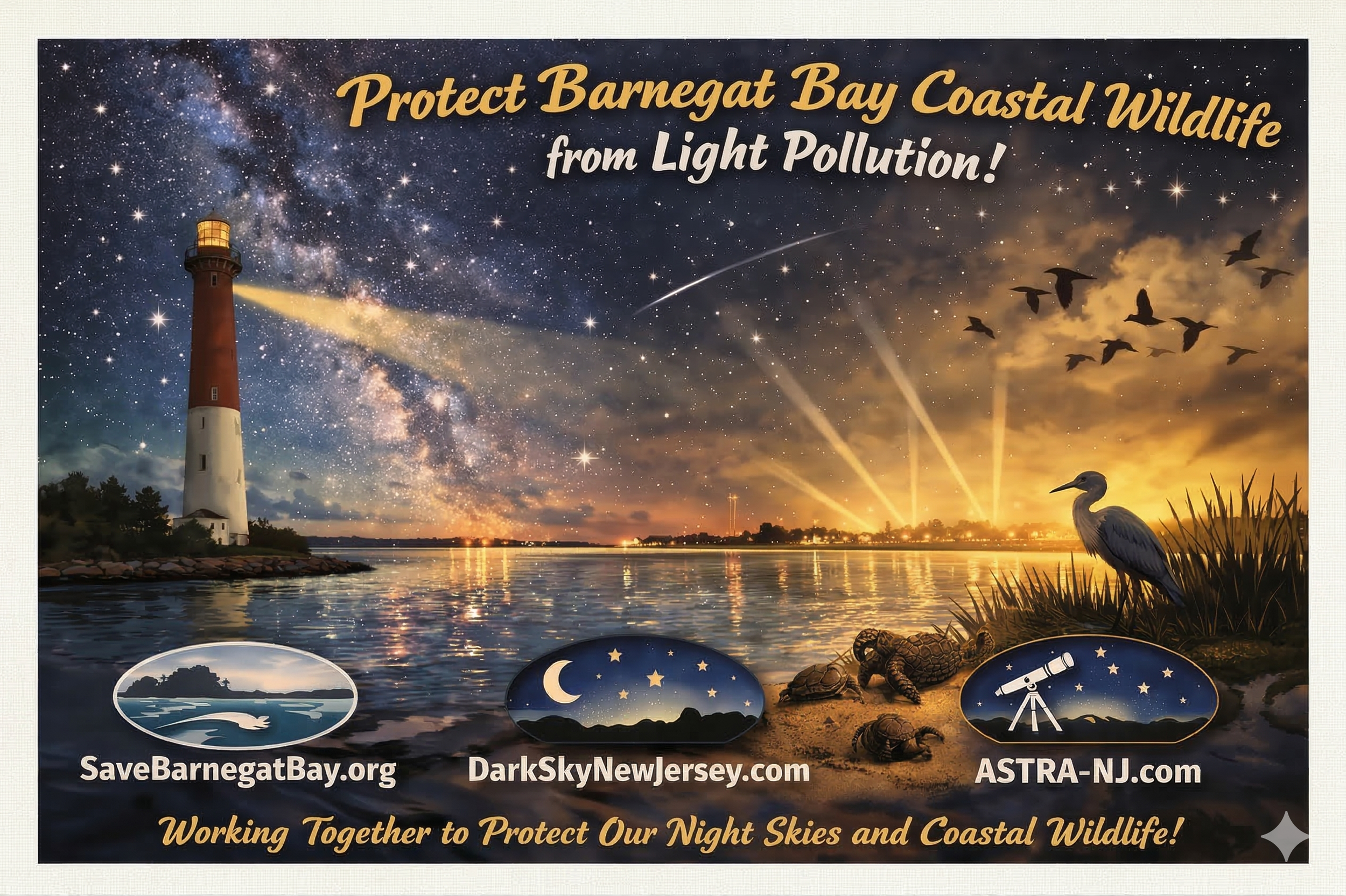
Save Barnegat Bay is updating its light pollution exhibit.
With the help of Jim Webster, Save Barnegat Bay is updating its light pollution awareness educational alcove. It will include a picture frame slideshow. We are hoping it will be available soon.
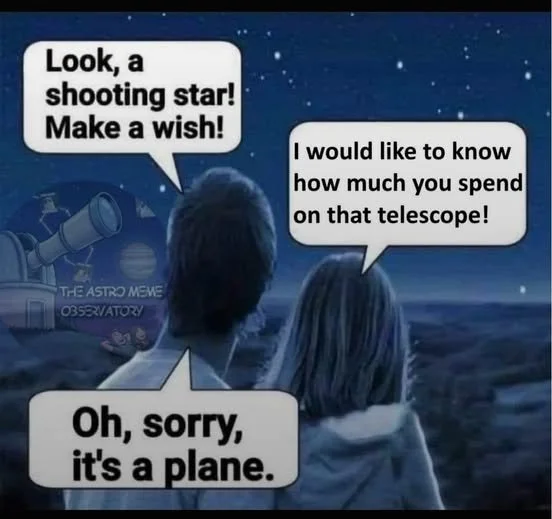
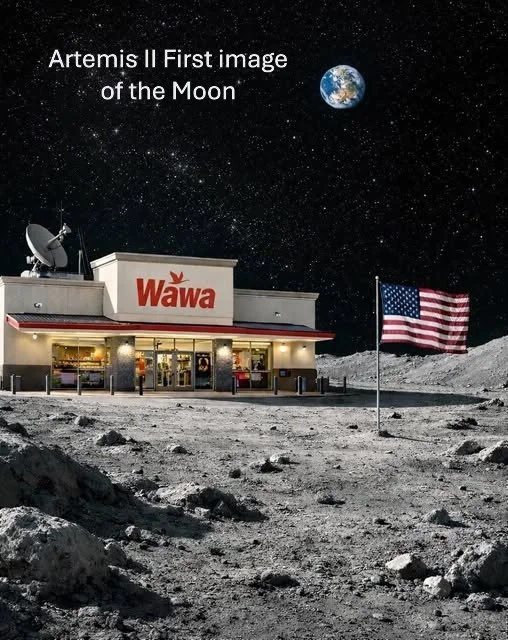
On the lighter side of astronomy …

What’s Up:
Sky Watching Tips from NASA
Provided by NASA Jet Propulsion Laboratory. Is usually updated anywhere from the first day of the month to the fifth day of the month. Check back to this linked image if it hasn’t been updated yet.
For more go to NASA Jet Propulsion Laboratory webpage: What’s Up: Skywatching Tips From NASA

This article and images are distributed by NASA Night Sky Network
The Night Sky Network program supports astronomy clubs across the USA dedicated to astronomy outreach.
Visit nightsky.jpl.nasa.gov to find local clubs, events, and more!
NSN Articles have been suspended until further notice.
The articles below are from other free sources, including older NSN articles.
The intro for each is provided, but you will need to utilize the included link to view the full article.
Spring Constellations
In the Northern Hemisphere, spring (late March to late June) is often called "galaxy season" because we look away from the dense Milky Way, revealing many distant galaxies. The most prominent spring constellations include Leo, Boötes, and Ursa Major.
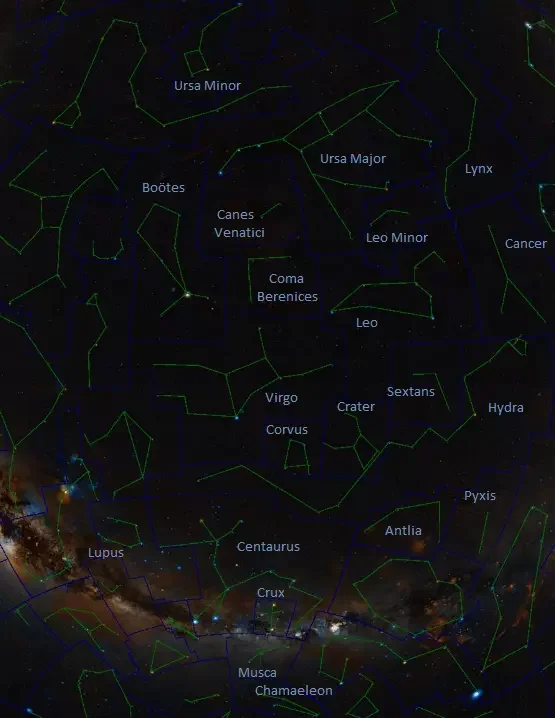
Major Spring Constellations
Leo (The Lion): This constellation is easily recognized. It features a "Sickle" asterism that looks like a backwards question mark. Its brightest star, Regulus, marks the lion's heart or front paw.
Boötes (The Herdsman): This constellation is shaped like a kite or an ice cream cone. It contains Arcturus, the fourth brightest star in the entire sky.
Ursa Major (The Great Bear): Visible all year (circumpolar), it is highest in the sky during spring evenings. It contains the Big Dipper asterism.
Virgo (The Maiden): This is the second-largest constellation in the sky. Its brightest star is Spica.
Hydra (The Female Water Snake): The largest constellation, stretching across nearly one-quarter of the sky. Its only bright star is Alphard.
Cancer (The Crab): A faint zodiac constellation located between Leo and Gemini.
Key Seasonal Asterisms
The Spring Triangle: A triangle formed by the bright stars Arcturus (Boötes), Spica (Virgo), and Regulus (Leo).
"Arc to Arcturus, Speed on to Spica": Use this mnemonic to locate constellations. Follow the curve of the Big Dipper’s handle to find Arcturus, then continue the line to reach Spica.
Resource Information: Constellation-Guide.com - Spring Sky Tour - Astronomy Online

Let’s Explore Space
The Latest News on Astronomy and Sky Watching — By StarWalk Astronomy App - Sky Tonight

Tonight’s Sky: No longer posting
October 2024 was the last updated posting of Tonight’s Sky. It is still available via YouTube.
Linked is the twelve-month playlist on YouTube.
Any suggested replacements, let me know.
Visit the STScI, which produced Hubblesite.org video overviews for Tonight’s Sky.
They can be found both on Facebook and stsci.edu.
Submissions Welcome
Members are invited to submit articles, photos, news, or stories for inclusion with Astral Projections Online. Please contact the ASTRA Webmaster.